

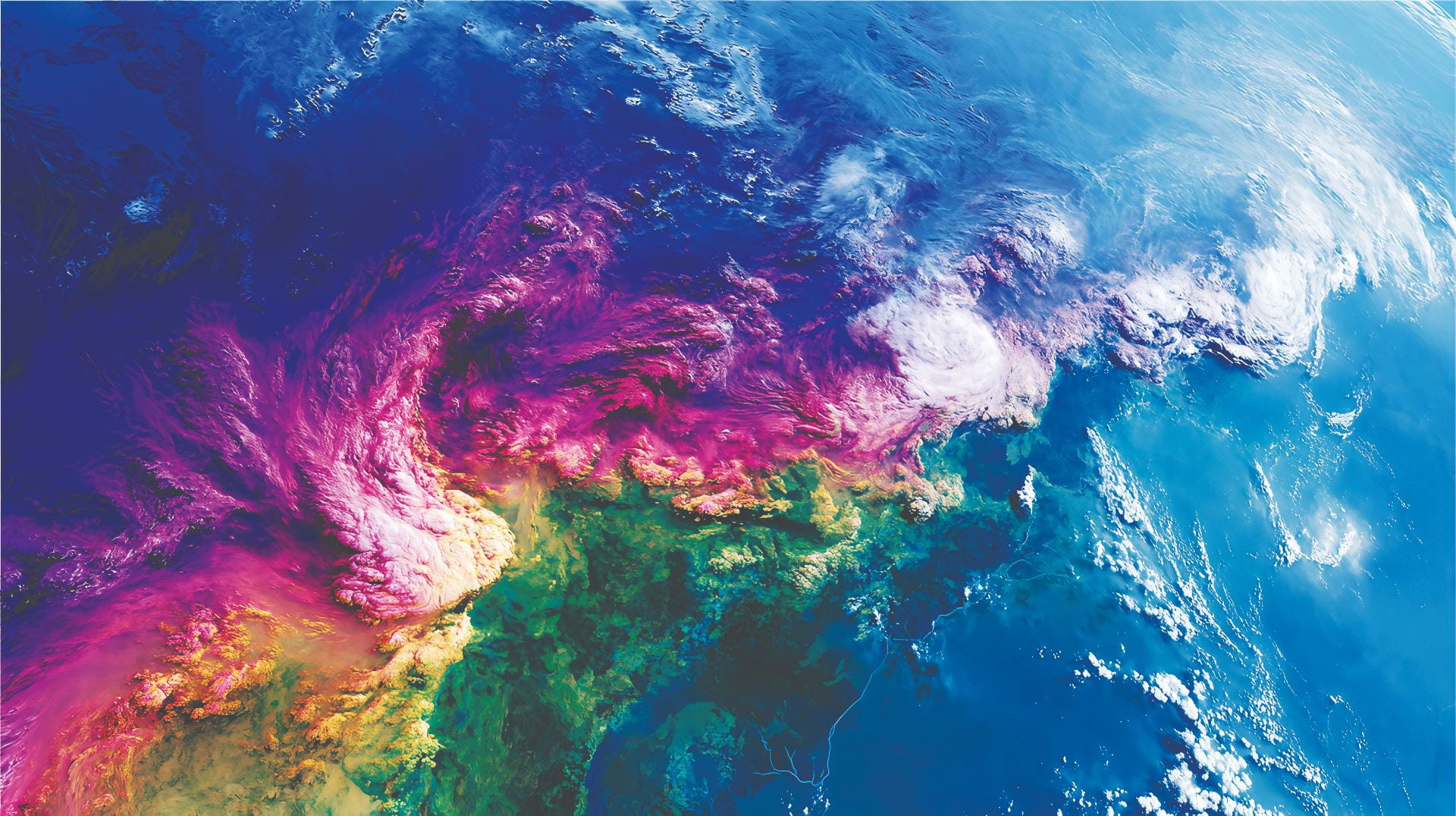
Next-Gen Earth Systems Modeling
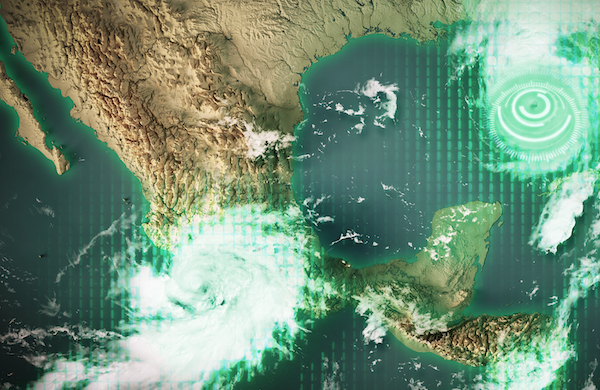
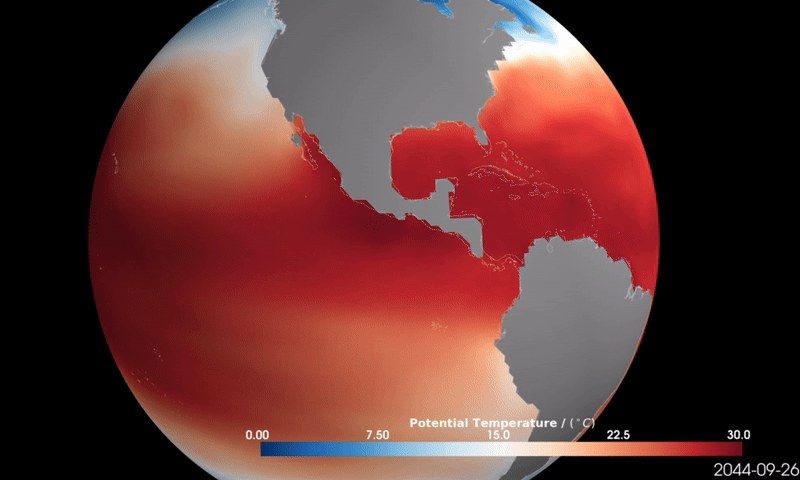
Physics-based reliability meets the speed of AI to build accurate virtual replicas of the Earth system.

The Office of Global Science and Technology (GST) unites researchers across disciplines and global campuses to advance their fields, partnerships and impact.
Science & Tech Opportunities
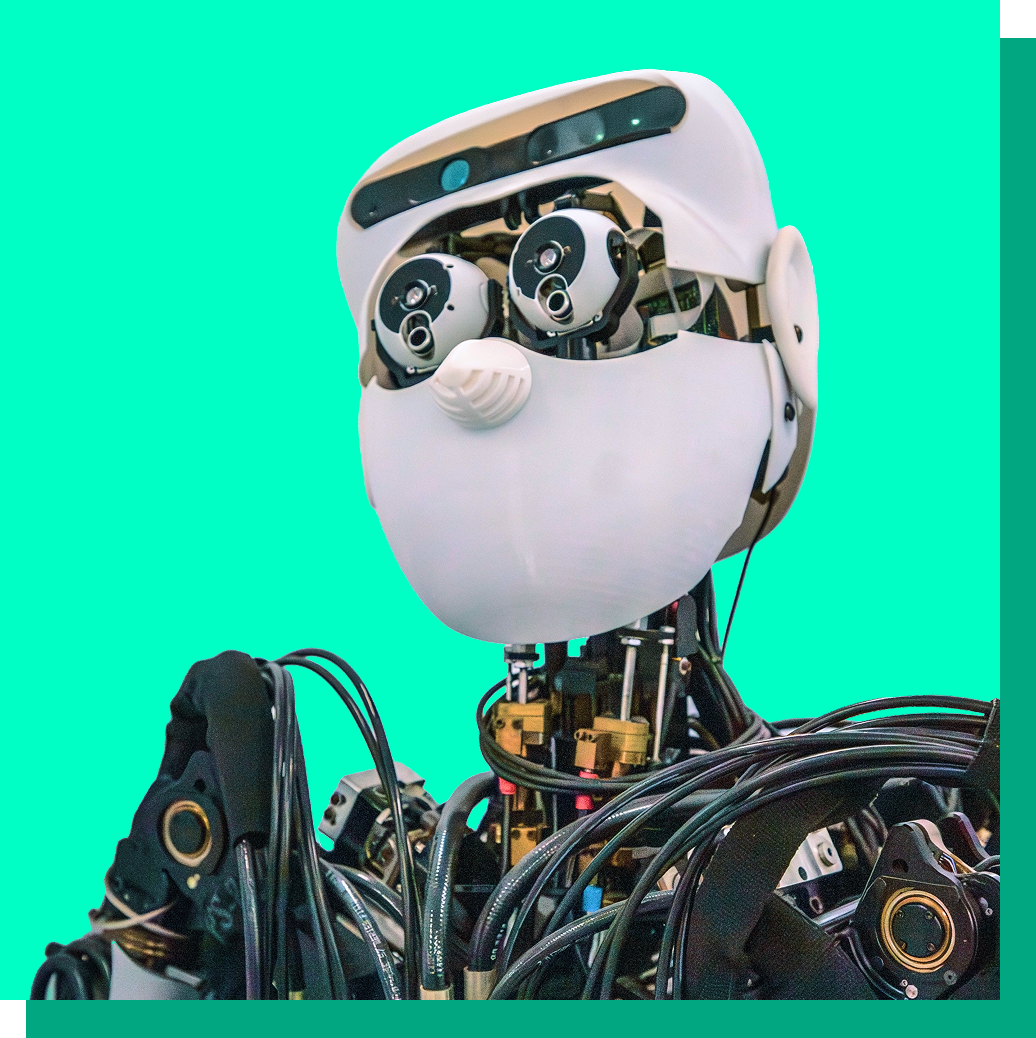
Materials & Technologies
Physics · Chemistry · Engineering
New materials are the fundamental enablers of modern civilization — from fuel-efficient transport to next-generation energy systems. Advances in this space open new industries, drive economic growth, and define the frontier of human knowledge.
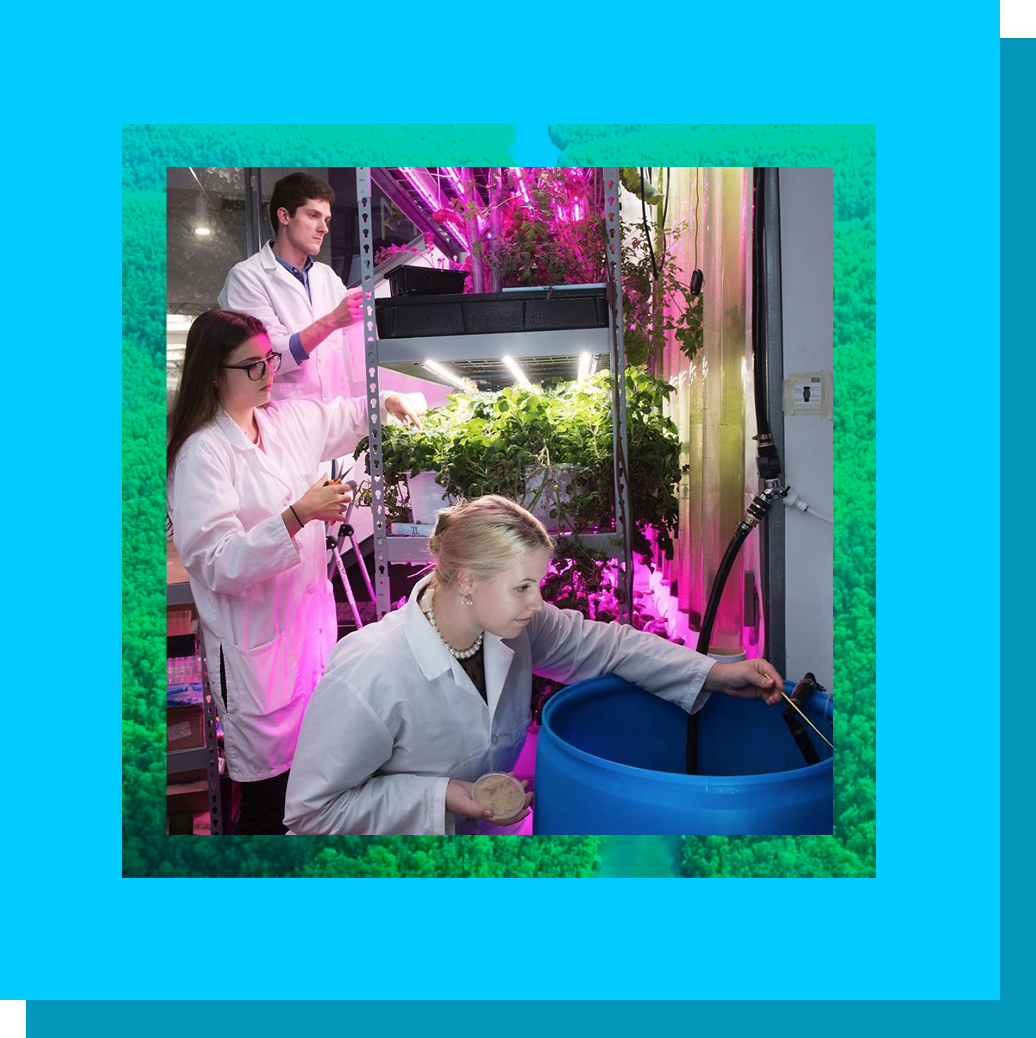
Sustainability
Climate · Technology · Adaptation
Humanity is in a race against time to build systems and societies that can endure. Research in sustainable technologies, materials, and climate adaptation is not optional — it is the infrastructure on which a livable future depends.
Anchored by
Health, Biology & Human Condition
Medicine · Engineering · Life Sciences
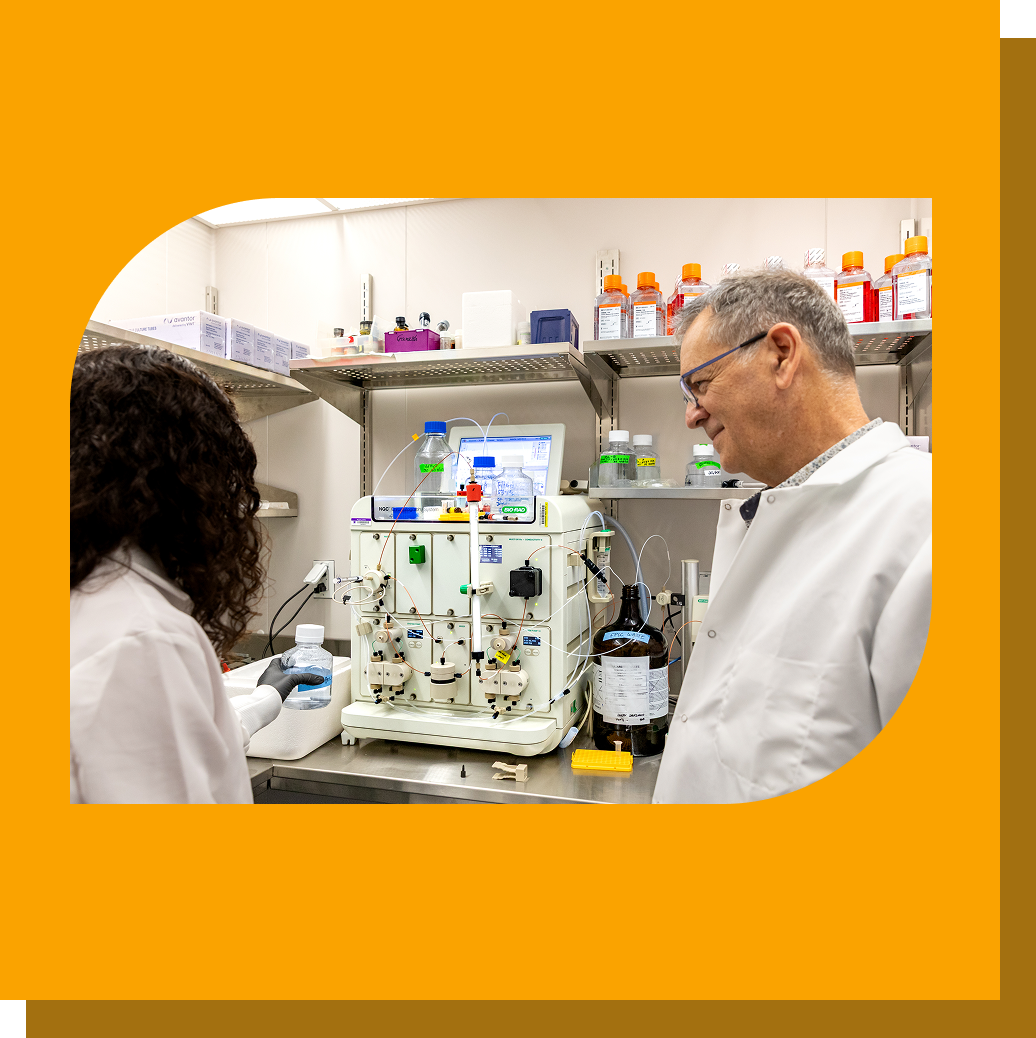
The cost and complexity of human health is one of the defining challenges of our time. Research at the intersection of biology, engineering, and medicine holds the key to making care more effective, accessible, and affordable — for both people and the planet.
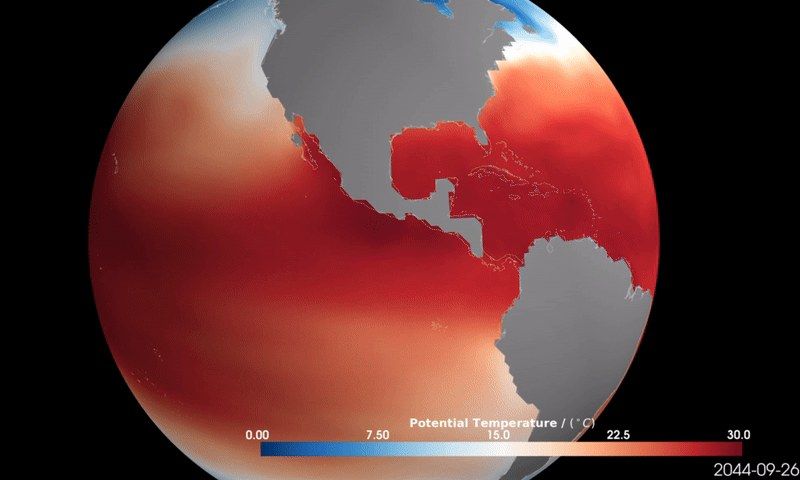
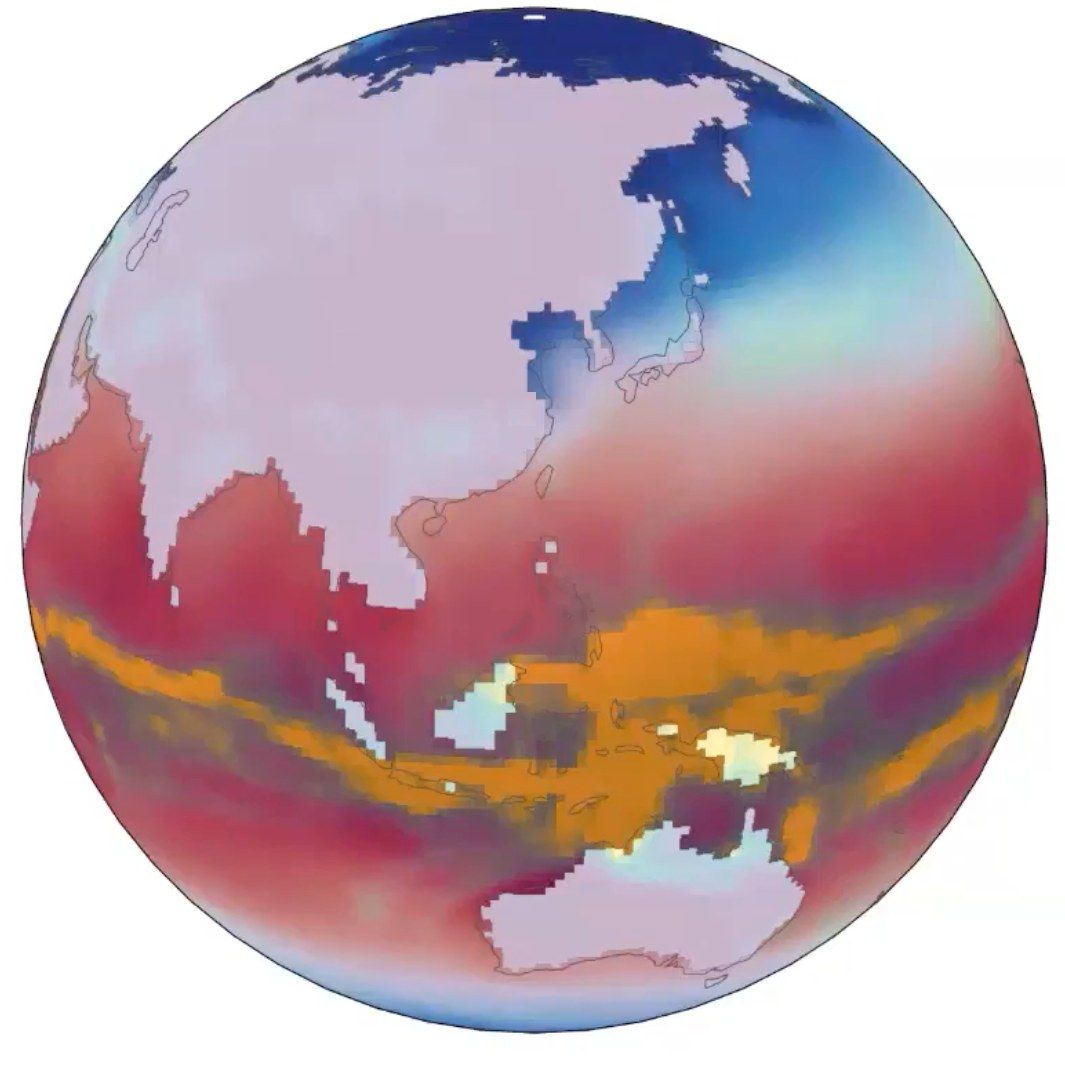
Earth’s oceans, atmosphere, and landscapes are changing fast, with cascading global impacts. NYU’s Earth Systems Institute meets this challenge by pioneering, data-driven, AI and computational tools to predict environmental change and strengthen assessment, response, and resilience.
Earth Systems is part of NYU Global Science and Technology
Advancing research and impact across disciplines and campuses.

Director, Laure Zanna
Director, NYU Earth Systems Institute
Joseph B. Keller and Herbert B. Keller Professor of Applied Mathematics
Courant Institute School of Mathematics, Computing, and Data Science
Vice Dean, Research Administration
Courant Institute School of Mathematics, Computing, and Data Science
 Affiliated Faculty
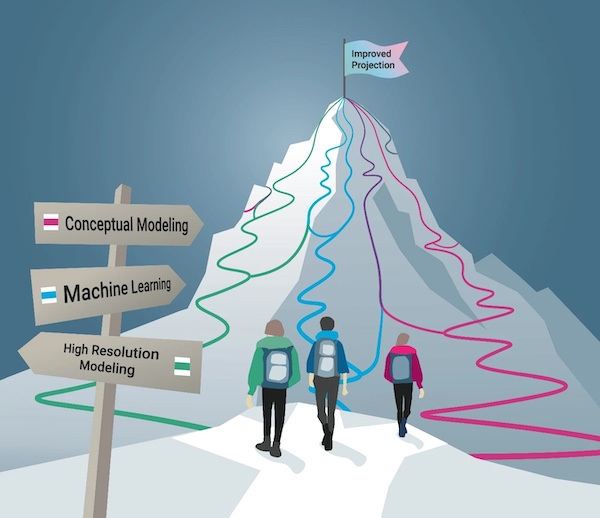
The rapid pace of planetary change presents distinct and complex challenges to scientists, engineers and decision makers. The advent of AI and computational technologies opens new opportunities, enabling researchers to actively improve Earth system projections along with food, water and energy systems resilience. With mathematical and computational research at the Courant Institute School of Mathematics, Computing, and Data Science; engineering at the Tandon School of Engineering; and policy-connected food and environmental science in Arts & Science, NYU researchers incorporate the full range of expertise required to address this challenge. Through multidisciplinary collaboration, Institute researchers are exploring the cascading impacts of an evolving climate. This work empowers critical decision-making that shapes the lives of people around the world.
Physics-based reliability meets the speed of AI to build accurate virtual replicas of the Earth system.

New AI tools at the intersection of food, land, and the environment — securing food supplies and safeguarding the planet’s future.

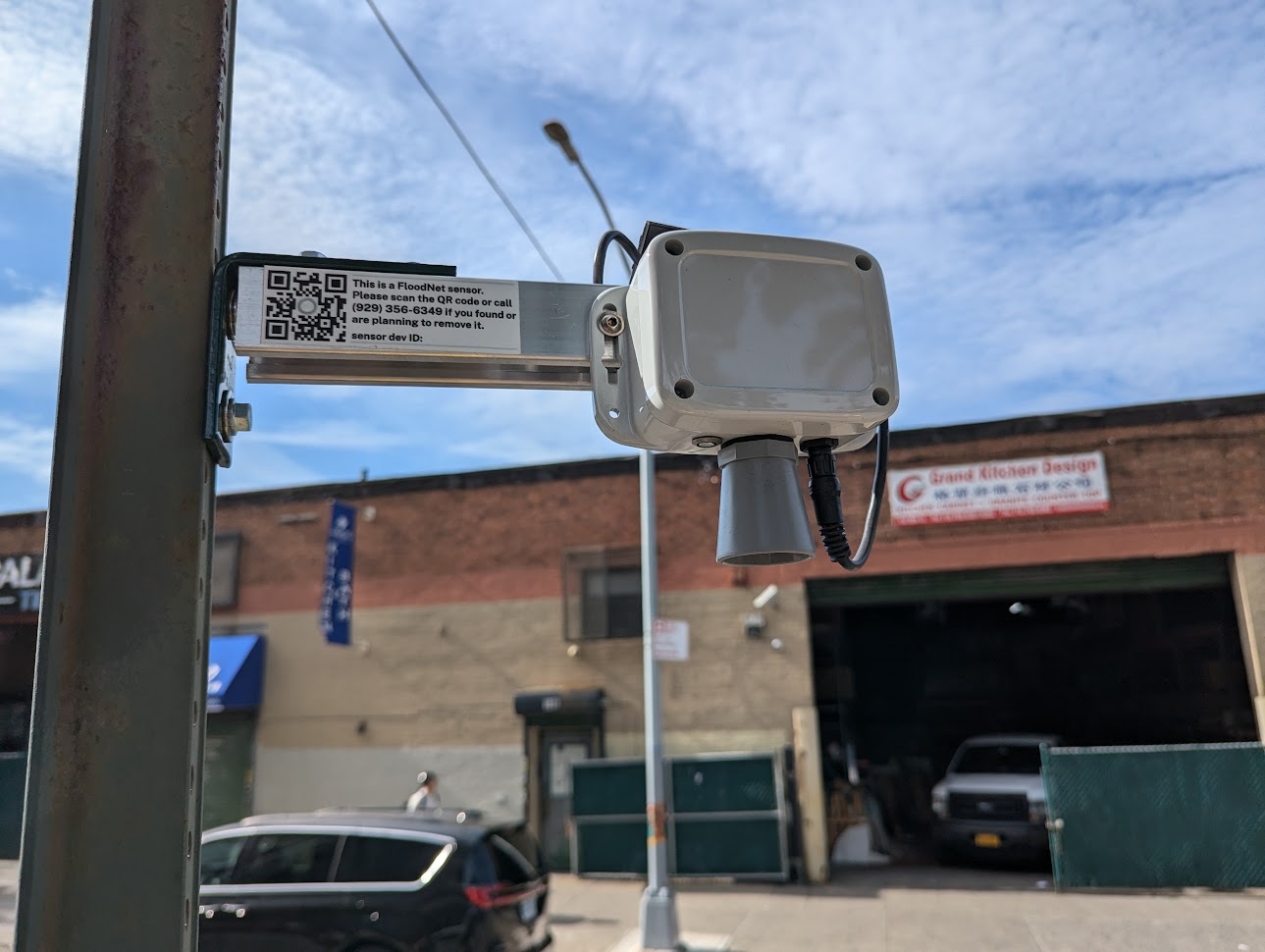
Hybrid physics-and-AI models that keep power, water, transportation, and supply networks resilient in a shifting climate.
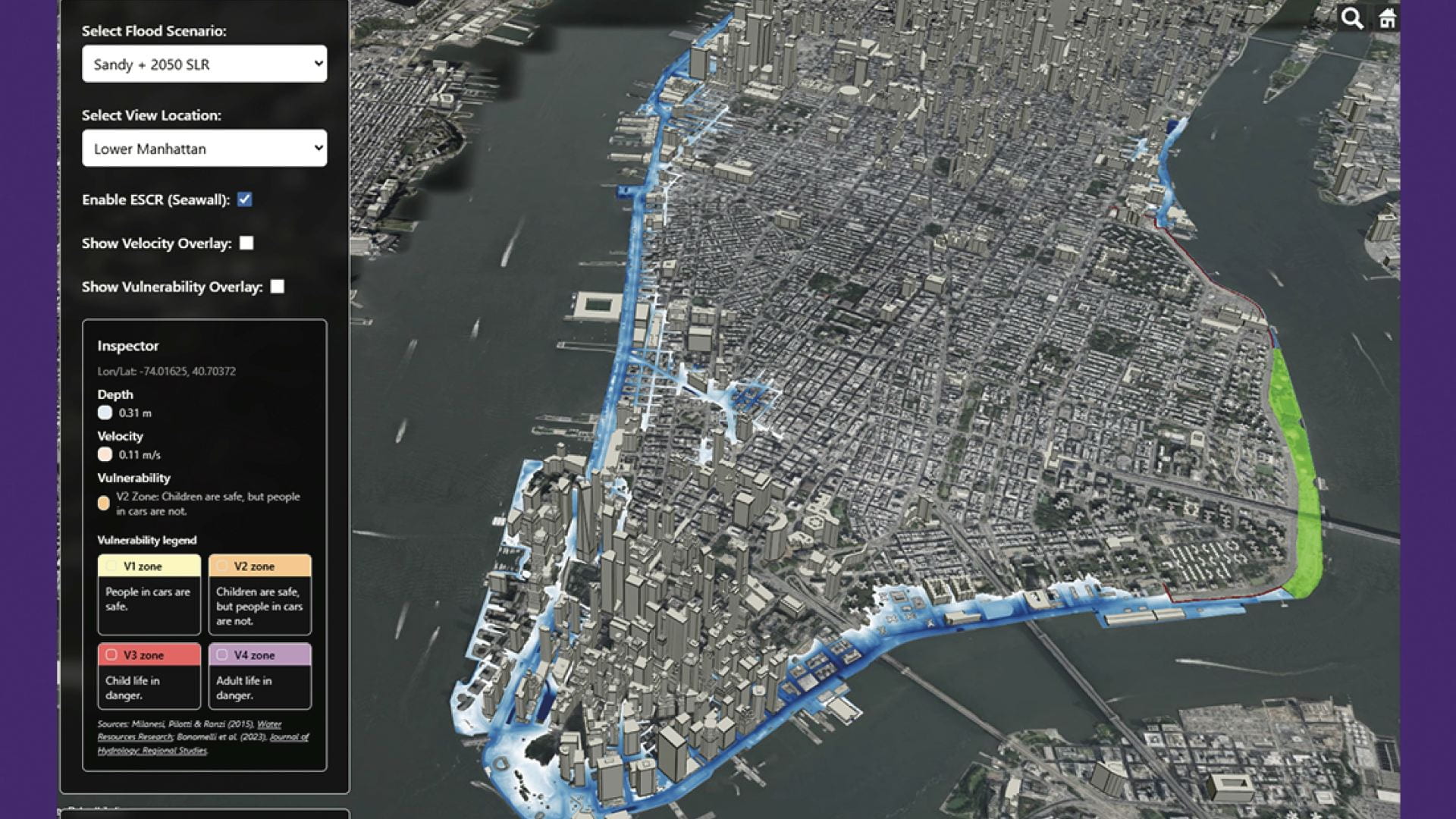
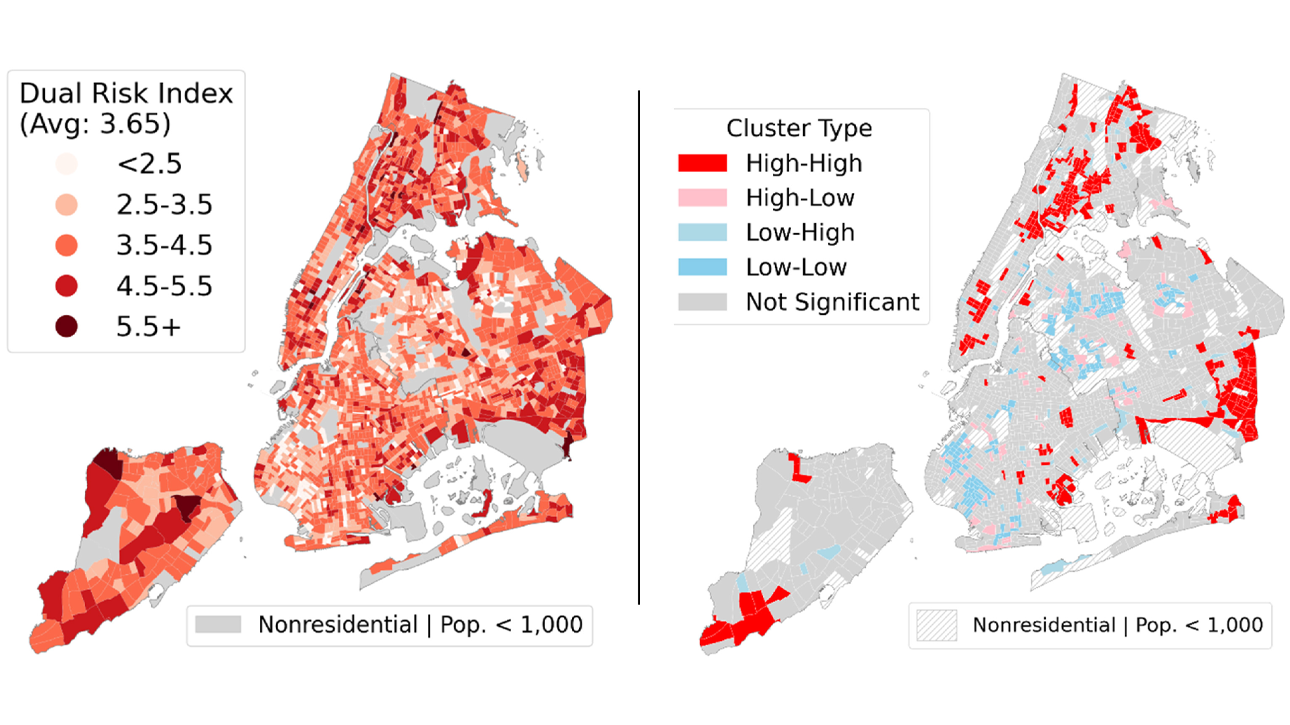
Open-source data and predictive models that put real-time climate intelligence in decision-makers’ hands worldwide.