





Research Areas
Infrastructure Systems Resilience
Critical infrastructure—power grids, water networks, transportation, and global supply chains—must adapt to a rapidly shifting climate.
Institute researchers fuse the underlying physics of these systems with the predictive power of AI, developing data-driven hybrid models that optimize how these interconnected networks adopt low-carbon technologies and stay resilient across diverse geographic and policy contexts.
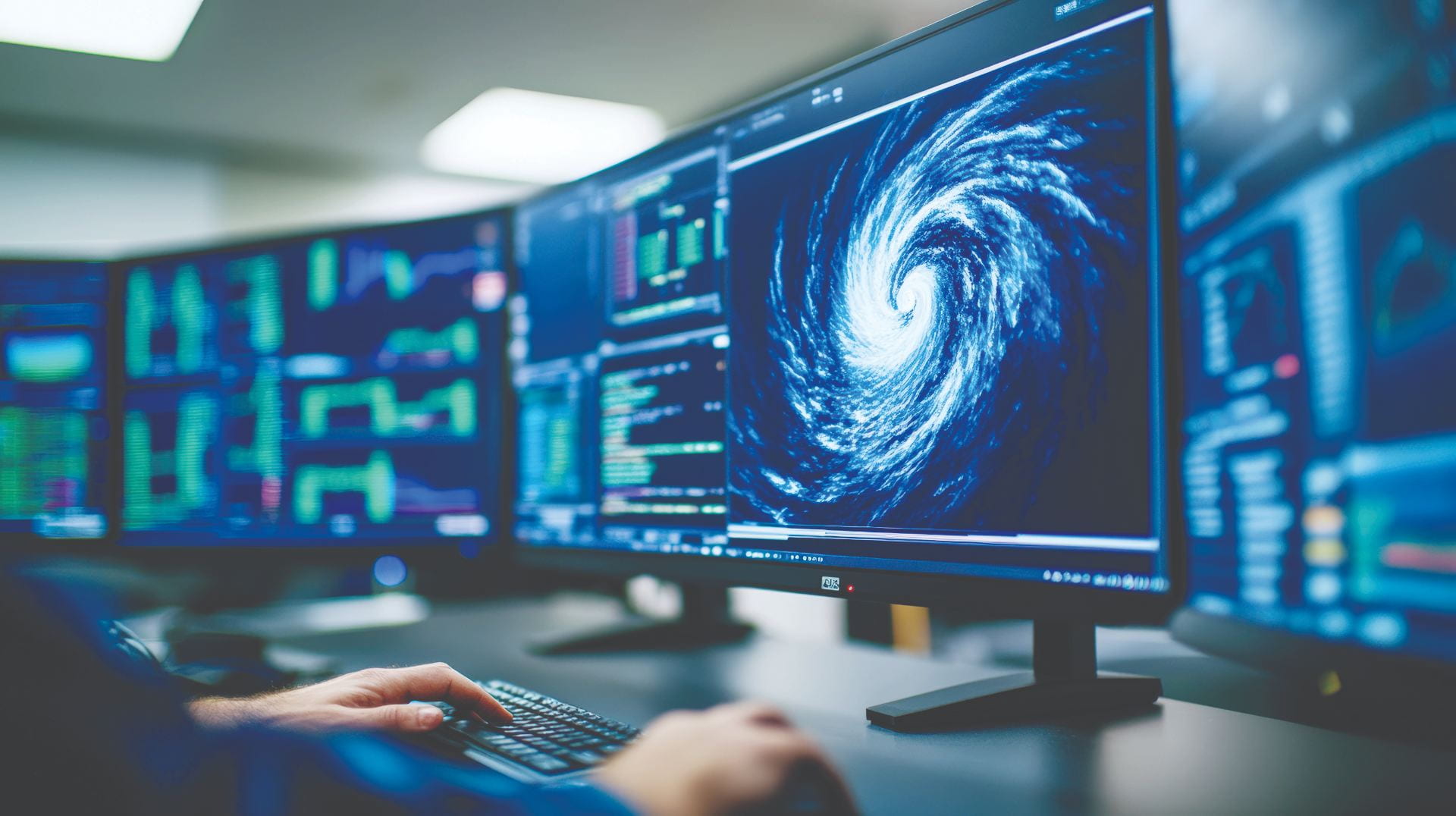
AI weather emulators benefit from clear objectives and metrics, which have led to the rapid development of models that outperform traditional benchmarks. In contrast, long-term climate emulators must reliably reproduce forced responses over months to centuries, while relying on training objectives that span a small number of model time steps. We assess autoregressive, full-depth ocean emulators using data from the midHolocene experiment of a numerical climate model to examine their skill in responding to surface forcings from an in-distribution, out-of-sample climate. We demonstrate that these emulators generalize to new orbital forcings, reproducing the spatial structure of the large-scale response as well as changes in seasonal patterns and in the spatial structure of ocean variability, while underestimating their amplitude. Baselines that infer the ocean state directly from the boundary forcings also recover much of the large-scale pattern, but only near the surface, and capture neither the seasonal nor the variability changes, indicating that these require some representation of dynamics. Despite these successes, the emulators fail to reproduce the slow, internally driven evolution of the ocean interior. We then show that the emulators' total forced response is well reconstructed by linearly composing their independent responses to each forcing component. Tracking response across training epochs, we find that convergence on mean state metrics in the training climate does not guarantee that the emulators capture the dynamics necessary for a skillful response. Together, these experiments establish the midHolocene as a controlled, ground-truthed setting for diagnosing forced-response failures before emulators are pushed to out-of-distribution climates.
Read full publication: Paleoclimate Boundary Conditions as an Out-of-Sample Test for the Forced Response of Ocean Climate Emulators (opens in new tab)Abstract We introduce FloeNet, a graph neural network trained to emulate the Geophysical Fluid Dynamics Laboratory global sea ice model, SIS2. FloeNet is a mass‐conserving model, emulating 6‐hr mass and area budget tendencies related to sea ice and snow‐on‐sea‐ice growth, melt, and advection. We train FloeNet using SIS2 data from a reanalysis‐forced ice‐ocean simulation and test its ability to generalize to pre‐industrial and 1% CO 2 forcing conditions. FloeNet outperforms a non‐conservative model at reproducing sea ice and snow‐on‐sea‐ice mean state, trends, and inter‐annual variability, with volume anomaly correlations above 0.96 in the Antarctic and 0.76 in the Arctic, across all forcings. FloeNet also produces the correct thermodynamic‐dynamic response to forcing, enabling physical interpretability of emulator output. Finally, we show that FloeNet outputs high‐fidelity coupling‐related variables, including ice‐surface temperature, ice‐to‐ocean salt flux, and melting energy fluxes. We hypothesize that FloeNet will improve polar climate processes within existing atmosphere and ocean emulators.
Read full publication: FloeNet: A Mass‐Conserving Global Sea Ice Emulator That Generalizes Across Climates (opens in new tab)Abstract Global ocean models exhibit biases in the mean state and variability, particularly at coarse resolution, where mesoscale eddies are unresolved. To address these biases, parameterization coefficients are typically tuned ad hoc. Here, we formulate parameter tuning as a calibration problem using Ensemble Kalman Inversion (EKI). We optimize parameters of a neural network parameterization of mesoscale eddies in two idealized ocean models at coarse resolution. The calibrated parameterization reduces errors in the time‐averaged fluid interfaces and their variability by factors of 1.7–3.3 compared to the unparameterized model, depending on the metric and configuration. The EKI method is robust to noise in time‐averaged statistics arising from chaotic ocean dynamics. Furthermore, we propose an efficient calibration protocol that bypasses integration to statistical equilibrium by carefully choosing an initial condition. These results demonstrate that systematic calibration can substantially improve coarse‐resolution ocean simulations and provide a practical pathway for reducing biases in global ocean models.
Read full publication: Calibration of a Neural Network Ocean Closure for Improved Mean State and Variability (opens in new tab)High Resolution Image Download MS PowerPoint Slide Three Enterococcus species (i.e., casseliflavus, faecalis, and faecium) were previously found to have dissimilar decay kinetics during disinfection. It is therefore possible for the relative abundances of viable bacteria of each species to shift as the bacterial population is subjected to treatment processes, which may subsequently impact the disinfection of the enterococci population as a whole. Therefore, this study was conducted to assess the relative abundances of different enterococci species in wastewater as it flows through treatment processes. Culture-based, qPCR, and hybrid culture-qPCR methods were used to assess the distribution of E. faecalis, E. faecium and E. casseliflavus in samples of wastewater influent, primary effluent, secondary effluent, and postchlorination final effluent; grab samples were collected quarterly over a year from one facility. Using qPCR, E. faecium concentrations ranged between 1.1- and 2.6-log greater than E. faecalis and E. casseliflavus. The species distribution of culturable isolates did not change between influent and secondary effluent; however, it was significantly different postchlorination, with E. faecium being the only culturable species identified. While this study assessed just one treatment facility, consistent results over a year illustrate that culture-based methods do not provide a full picture of enterococci disinfection and persistence, given the varying relative abundances of viable Enterococcus species.
Read full publication: Relative Abundances of Enterococcus faecalis, Enterococcus faecium, and Enterococcus casseliflavus across Wastewater Treatment Unit Processes (opens in new tab)Sea state prediction is essential for operational maritime applications and coupled earth system modeling, yet current spectral wave models remain computationally prohibitive for many use cases, including online coupling to climate simulations and making probabilistic (ensemble-based) predictions. While deep learning has recently demonstrated strong performance in weather forecasting, existing AI-based wave models are predominantly deterministic and largely limited to bulk variables such as significant wave height, leaving probabilistic sea state estimation largely unexplored. In this work, we propose a diffusion-based generative model for global sea state estimation that conditions on a relatively long history (5 days) of global wind forcing. This generative model directly samples the complex conditional distribution of sea state without autoregressive time-stepping. Unlike prior approaches, our framework naturally extends beyond bulk variables to estimate partition-related variables and derived quantities, such as Stokes drift and mean square slope. Trained on a 30-year global WAVEWATCH-III hindcast, the model achieves substantial computational acceleration compared with numerical spectral models while delivering skillful predictions and a calibrated ensemble spread for the bulk variables. Our results suggest that diffusion-based sea state sampling offers a promising path toward probabilistic wave forecasting and efficient coupling of sea state information into broader earth system models.
Read full publication: Sampling sea state using a diffusion model (opens in new tab)This work presents a physics-informed neural network (PINN) for modeling a transient two-dimensional electrochemical flow reactor with diffusion, migration, convection, and nonlinear anodic Butler--Volmer kinetics. The model is trained without labeled concentration data by embedding the governing transport equation and all initial and boundary conditions into a composite loss function. Spatial and temporal coordinates together with anodic overpotential, temperature, inlet concentration, maximum flow velocity, and diffusivity are used as inputs, allowing the network to predict concentration fields over a broad operating domain. Validation against finite-difference-based solutions shows strong agreement for representative transient and near-steady cases, with a mean relative space--time error of (9.99 ± 0.65)×10⁻³ (sub-percent level) across the conditioning domain. PINN inference is faster than a traditional finite difference solver by a factor of $5.34$, thus reducing runtime by 81.3%. Generalization tests further show that the surrogate remains robust under in-domain boundary-focused sampling and controlled extrapolation, although anodic overpotential is the most challenging parameter due to its exponential effect on interfacial kinetics. The results indicate that physics-informed neural networks can serve as accurate and efficient parametric surrogates for electrochemical transport problems and provide a foundation for low-computational-cost digital-twin modeling of electrochemical flow reactors.
Read full publication: Physics-Informed Neural Networks as Fast Surrogate Models for Electrochemical Flow Reactors (opens in new tab)Urban flooding poses significant risks to public health and community resilience, highlighting the need for collaborative approaches that integrate science, policy, and local knowledge. This paper outlines the community engagement and dissemination strategy of FloodNet NYC, a collaborative project launched in 2020 involving researchers from the City University of New York and New York University alongside New York City agencies, including the Mayor’s Office of Climate & Environmental Justice, Department of Environmental Protection, and Office of Technology & Innovation. FloodNet develops real-time urban flood monitoring tools, making flood data and community-driven resources accessible and actionable for residents, community organizations, government agencies, and researchers. Guided by community-based participatory research principles, the project co-developed a community engagement and participatory dissemination strategy that is integrated throughout the research process rather than treated as a final step. We highlight three participatory pathways — community outreach, education, and action — that ensure that data products and educational materials produced by FloodNet are created and shared collaboratively with community members in flood-prone neighborhoods. This approach yields both successes and challenges, demonstrating how co-produced and iterative dissemination deepens integration of scientific, experiential, and civic knowledge. This paper presents a practical model for public health and urban climate resilience professionals to engage communities in research.
Read full publication: At the Intersection of Science, Policy, and Community: The FloodNet NYC Community Engagement Strategy (opens in new tab)Abstract Industrial CO2 streams vary widely in composition, from pure to as low as 3%, posing challenges for purification or direct conversion. Electrochemical reduction offers a route for converting dilute CO2 streams but faces severe mass transport limitations. This study demonstrates that pulsed electrolysis effectively overcomes these limitations, enhancing CO2 electroreduction across variable feed compositions and current densities, particularly at low CO2 concentrations and high current densities. At 25% CO2 and 400 mA cm−2, pulsing improved selectivity from 25.6 to 78.6%, production rate from 13.7 to 21.0 mol m−2 h−1, and energy productivity from 0.77 to 2.59 mol kWh−1. A dynamic, multiphysics continuum model confirms a 64% increase in CO2 concentration within the catalyst layer during pulsing, resolving the transient chemical microenvironment. These findings establish pulsed electrolysis as a viable strategy for converting dilute industrial CO2 streams into valuable feedstocks, bypassing costly pre-separation.
Read full publication: Pulsed Electrolysis Promotes Catalyst Activity in Dilute CO2 Streams (opens in new tab)Abstract Traditional numerical global climate models simulate the full Earth system by exchanging boundary conditions between separate simulators of the atmosphere, ocean, sea ice, land surface, and other geophysical processes. This paradigm allows for distributed development of individual components within a common framework, unified by a coupler that handles translation between realms via spatial or temporal alignment and flux exchange. Following a similar approach adapted for machine learning‐based emulators, we present SamudrACE: a coupled global climate model emulator which produces centuries‐long simulations at 1‐degree horizontal, 6‐hourly atmospheric, and 5‐daily oceanic resolution, with 145 2D fields spanning 8 atmospheric and 19 oceanic vertical levels, plus sea ice, surface, and top‐of‐atmosphere variables. SamudrACE is highly stable and has low climate biases comparable to those of its components with prescribed boundary forcing, with realistic variability in coupled climate phenomena such as ENSO that is not possible to simulate in uncoupled mode.
Read full publication: SamudrACE: Fast and Accurate Coupled Climate Modeling With 3D Ocean and Atmosphere Emulators (opens in new tab)Ocean general circulation models (OGCMs) are essential to climate science but computationally expensive, limiting ensemble size and forcing scenarios. Neural emulators promise orders-of-magnitude speedups, yet existing ocean emulators have not combined fine spatial resolution with multi-year autoregressive rollouts. Samudra, the first autoregressive neural ocean emulator to produce multi-decade global rollouts, is limited to 1∘ resolution and exhibits two long-horizon failure modes: \emph{variance collapse}, the loss of temporal variability, and \emph{imprinting artifacts}, in which velocity patterns leak into deep-ocean fields. We present Samudra 2, which introduces a wider U-Net backbone with modified ConvNeXt-style blocks and a reduced block-internal expansion factor, together with a dynamic loss that reweights output channels according to their prediction errors, strengthening gradients for slow-evolving deep-ocean fields. At 1∘, Samudra 2 increases upper-ocean global-mean temperature R² from 0.56 to 0.87 and reduces deep-ocean temperature error by roughly sevenfold. The same architecture scales to 1/2∘ and 1/4∘ over approximately 8-year autoregressive rollouts, recovering mesoscale eddies and sharp western boundary currents. Running on a single GPU, Samudra 2 enables larger ensembles for sea-level projections, ocean heat uptake, and climate variability studies. All artifacts are publicly available: project page, code, checkpoints, documentation.
Read full publication: Samudra 2: Scaling Ocean Emulators across Resolutions (opens in new tab)Abstract Neural networks offer novel ways to parameterize unresolved ocean mixing but are challenging to interpret. Here, we derive compact equations that reproduce the behavior of neural networks trained on a second‐moment closure data set. The resulting interpretable expressions employed in a physics‐based first order closure scheme match neural‐network performance in global forced simulations. They expose a structural error in the baseline physics‐based scheme and describe how surface friction velocity, buoyancy flux, rotation, and boundary layer depth regulate diffusivity. The equations reveal a shift in the mixing peak toward the surface under stabilizing conditions and toward the mid‐boundary layer depth under convective conditions. The diffusivity amplitude (set by the velocity scale) is controlled by surface shear and buoyancy flux. Equations yield a transparent, efficient, and physically grounded vertical diffusivity applicable for ocean models.
Read full publication: Machine Learned Equations for Vertical Mixing Coefficients in the Ocean Surface Boundary Layer (opens in new tab)Water electrolysis for hydrogen production has traditionally focused on catalyst development and materials optimization, yet bubble dynamics—an inherent feature of gas-evolving reactions—represents a largely overlooked bottleneck that can account for significant efficiency losses. As electrochemical hydrogen production scales up to meet decarbonization goals, bubble-induced penalties, including increased ohmic resistance, blocked active sites, and mass transport limitations, have emerged as critical engineering challenges. This perspective examines bubble evolution in water electrolyzers through a fluid dynamics lens, bridging fundamental single-bubble physics with reactor-scale multiphase flows. We synthesize recent advances in nanobubble nucleation, detachment dynamics, and coalescence behavior, emphasizing how cross-disciplinary approaches and in operando characterization are revealing the complex forces governing bubble behavior at electrodes. Emerging strategies for bubble management are discussed, including pulsed electrolysis, artificial intelligence (AI)-assisted optimization, and novel reactor geometries. By connecting microscale bubble phenomena to macroscale electrolyzer performance, this perspective aims to guide the development of more efficient, fluid-engineered electrochemical systems.
Read full publication: A multiscale fluid dynamics perspective on bubble management in water electrolysis (opens in new tab)Abstract We present a novel, data‐driven approach to predict systematic model errors in the ocean component of a coupled general circulation model leveraging deep learning and data assimilation. We examine the skill of the proposed scheme in learning systematic model errors, including their spatial patterns, variance, scales, and test its sensitivity to different predictors and neural network architecture. The scheme utilizes local state variables such as ocean temperature, salinity, velocities, and surface fluxes to predict corrections to temperature tendency for the upper 1,000 m in the ocean on daily timescales. The performance is evaluated on the withheld test data set and compared against the empirical climatological temperature corrections that are geographically dependent. The performance is depth‐dependent, with significant improvements over the benchmark in the upper 20 m in the ocean. It degrades rapidly with depth but remains comparable to the climatology benchmark. Neural networks can capture up to of the daily variance in temperature increments in the upper 20 m relative to the benchmark's. The improvements are associated with networks predicting finer spatiotemporal scales than the benchmark. They are expected to perform better in reducing surface ocean mixed layer bias than previously used techniques. Despite being column‐local without geographical inputs, networks can sufficiently reproduce spatial patterns on daily and longer timescales. The patterns consist of corrections to regional dynamical features such as western boundary currents, equatorial undercurrents, bathymetry‐related corrections in the Southern Ocean, and warm surface increments over subtropical and midlatitude belts.
Read full publication: Deep Learning of Systematic Ocean Model Errors in a Coupled GCM From Data Assimilation Increments (opens in new tab)Mesoscale eddies remain poorly represented in most climate models, motivating the use of parameterizations to account for their dynamical effects on the coupled system. In this study, we implement a data-driven eddy parameterization based on Zanna and Bolton (2020; ZB20) in an idealized, fully coupled CESM configuration and assess its influence on the mean climate state. When applied within an eddy-permitting ocean model (MOM6) embedded in the coupled configuration, the ZB20 eddy momentum parameterization, which features upgradient (backscatter) momentum flux, energizes mesoscale eddies and strengthens poleward ocean heat transport. The response is particularly strong in the Southern Hemisphere, where the open circumpolar channel sustains vigorous eddy activity and is sensitive to the parameterization, further leading to a marked hemispheric asymmetry. The oceanic meridional overturning circulation also intensifies around 60°S. The resulting ocean adjustments produce a coherent dipolar temperature pattern, with cooling in mid-latitudes and warming at high latitudes, driven primarily by anomalous meridional heat transport rather than local surface fluxes, shown using a regional heat-budget analysis. The atmosphere, in turn, exhibits a compensating reduction in meridional heat transport and an equatorward shift of the mid-latitude jet, associated with the mid-latitude surface cooling and changes in the meridional temperature gradient. Together, these results highlight how a data-driven eddy momentum parameterization can affect large-scale circulation and the mean climate state, providing a reference for understanding its impacts in more comprehensive climate models.
Read full publication: Impact of Data-Driven Eddy Parameterization on Climate State in an Idealized Coupled CESM Model (opens in new tab)Abstract Accurately quantifying air‐sea fluxes is important for understanding air‐sea interactions and improving coupled weather and climate models. This study introduces a probabilistic framework to represent the highly variable nature of air‐sea fluxes, which is missing in deterministic bulk algorithms. Assuming Gaussian distributions conditioned on the input variables, we use artificial neural networks and eddy‐covariance measurement data to estimate the mean and variance by minimizing negative log‐likelihood loss. The trained neural networks provide alternative mean flux estimates to existing bulk algorithms, and quantify the uncertainty around the mean estimates. A stochastic parameterization of air‐sea turbulent fluxes can be constructed by sampling from the predicted distributions. Tests in a single‐column forced upper‐ocean model suggest that changes in flux algorithms influence sea surface temperature and mixed layer depth seasonally. The ensemble spread in stochastic runs is most pronounced during spring restratification.
Read full publication: Data‐Driven Probabilistic Air‐Sea Flux Parameterization (opens in new tab)Recent advances in autoregressive neural surrogate models have enabled orders-of-magnitude speedups in simulating dynamical systems. However, autoregressive models are generally prone to distribution drift: compounding errors in autoregressive rollouts that severely degrade generation quality over long time horizons. Existing work attempts to address this issue by implicitly leveraging the inherent trade-off between short-time accuracy and long-time consistency through hyperparameter tuning. In this work, we introduce a unifying mathematical framework that makes this tradeoff explicit, formalizing and generalizing hyperparameter-based strategies in existing approaches. Within this framework, we propose a robust, hyperparameter-free model implemented as a conditional diffusion model that balances short-time fidelity with long-time consistency by construction. Our model, Self-refining Neural Surrogate model (SNS), can be implemented as a standalone model that refines its own autoregressive outputs or as a complementary model to existing neural surrogates to ensure long-time consistency. We also demonstrate the numerical feasibility of SNS through high-fidelity simulations of complex dynamical systems over arbitrarily long time horizons.
Read full publication: Towards Infinitely Long Neural Simulations: Self-Refining Neural Surrogate Models for Dynamical Systems (opens in new tab)Abstract Representing mesoscale turbulence in eddy‐permitting ocean models raises challenges for climate simulations; in such models, eddies and their associated energy and transport effects are resolved either marginally or only over parts of the domain. Kinetic energy backscatter parameterizations have recently shown promise as both a momentum and a buoyancy closure for partially resolved mesoscale turbulence—energizing eddies which can themselves maintain accurate large‐scale stratification by slumping steep isopycnals. However, it has not been systematically explored whether such backscatter parameterizations can also serve as a closure for tracer mixing along isopycnals. Here, we present simulations using GFDL‐MOM6 in an idealized basin‐scale configuration to assess whether isopycnal mixing is improved, at 1/2 and 1/4 eddy‐permitting resolutions, through the addition of a backscatter parameterization. We assess the representation of isopycnal mixing principally through diagnosing the three‐dimensional structure of isopycnal diffusivities via a multiple tracer inversion method. Isopycnal mixing via backscatter alone shows significant improvement and closely resembles a 1/32 eddy‐resolving simulation. Backscatter‐parameterized mixing also outperforms simulations with no mesoscale parameterization or with an isopycnal diffusion parameterization alone, with the latter damping the tracer signature of partially resolved eddy variability. Simulations that vary the magnitude of backscatter show that increases in isopycnal diffusivities largely track increases in eddy energy. Our results suggest that parameterizing backscatter can plausibly capture key mesoscale physics in a unified framework: the inverse cascade of kinetic energy, the slumping of steep isopycnals, and the along‐isopycnal mixing of tracers.
Read full publication: Parameterizing Isopycnal Mixing via Kinetic Energy Backscatter in an Eddy‐Permitting Ocean Model (opens in new tab)A central challenge across science and engineering is to build data-driven reduced-order models of turbulent dynamical systems that reproduce stationary statistics, predict responses to external perturbations, and remain practical for real-world applications. To this end, we introduce an abstract discrete-time formulation of turbulent dynamical systems with exact energy-conserving nonlinearities. Parameterizing this structure with neural networks yields stable, physics-constrained reduced-order models. We then use the fluctuation-dissipation theorem (FDT) to validate the emulators' forced responses from unperturbed data alone, testing models beyond stationary statistics. The FDT also identifies candidate direct causal links, which are used as regularization terms only when they pass validation. We first test the framework on two idealized models of geophysical turbulence: the proposed emulators reproduce stationary statistics and accurately predict responses to weak and strong forcings, despite being trained solely on unperturbed data. We then move beyond idealized systems to model tropical climate dynamics from reanalysis data, where data scarcity, partial observability, and sensitivity to choices of stochastic parameterizations become central challenges. The resulting physics-constrained model reproduces key statistics of the El Niño-Southern Oscillation (ENSO) and qualitatively captures its cumulative responses to perturbations; augmenting it with a non-Markovian stochastic closure substantially improves quantitative agreement with the FDT benchmark. This response-validated model is then used to characterize long-term causal drivers of ENSO variability. The proposed methodology establishes a modular framework for stable reduced-order models capable of probing causal mechanisms in realistic, partially observed turbulent systems.
Read full publication: Physics constraints and response validation in discrete-time reduced-order modeling: from idealized turbulent systems to climate dynamics (opens in new tab)Extreme events pose significant risks and are challenging to predict. Assessing climate hazards requires placing quantitative constraints on geophysical fields under observable but fluctuating conditions. We propose a framework for estimating uncertainties -- a ReLU-bias loss quantile neural network (RBLQNN) -- with two novel modifications to the loss function to enforce uniform quantile accuracy and reduce degenerate predicted probability distributions. We evaluate the RBLQNN against other probabilistic baselines on a suite of datasets: synthetic datasets, observed daily temperature maxima from 1,501 NOAA Global Surface Summary of the Day (GSOD) weather stations, and altimetry-observed precipitation from the Tropical Rainfall Measuring Mission (TRMM). On synthetic datasets, the RBLQNN accurately predicts conditional distributions where more restrictive methods like linear quantile regression (LQR) or mean-variance estimation (MVE) neural networks fail, mitigates shortcomings of some other quantile neural networks, and converges stably under a range of hyperparameters. When applied to daily temperature maxima, the RBLQNN reveals that temperature distributions are relatively well described by Gaussian statistics, though nonlinear dependencies on local sea level pressure and geopotential heights appear important. For precipitation statistics, the RBLQNN strongly outperforms both LQR and MVE baselines, demonstrating its capacity to capture highly nonlinear and non-Gaussian conditional distributions. The RBLQNN's performance across varied datasets demonstrates it is a flexible and general approach for constraining uncertainties in geophysical quantities with nonlinear or non-Gaussian conditional dependencies.
Read full publication: Estimation of temperature and precipitation uncertainties using quantile neural networks (opens in new tab)In recent years, analysis of remote sensing data has benefited immensely from borrowing techniques from the broader field of computer vision, including the use of shared models pre-trained on large datasets. However, satellite imagery has unique features that are not accounted for in traditional computer vision, such as the existence of multiple revisits of the same location. Here, we explore the best way to use revisits in the framework of fine-tuning pre-trained remote sensing models. As a test case, we focus on the applied research question of power substation segmentation, which is representative of applied uses of pre-trained models more generally. Through extensive tests of different multi-temporal input schemes across diverse model architectures, we find that fusing representations from multiple revisits in the model's latent space is superior to other methods of using revisits, including as a form of data augmentation. We also find that a SWIN transformer-based architecture performs better than U-Nets and ViT-based models. We verify the generality of our results on a separate building density estimation task. In total, this work equips remote sensing scientists with a general method for utilizing the unique temporal properties of their images.
Read full publication: Improving Satellite Imagery Segmentation Using Multiple Sentinel-2 Revisits (opens in new tab)ranges, indicating that environmental conditions will have a large influence on potential photodegradation rates. Consequently, identifying the relevant photodegradation mechanisms for a given chemical can be used to more accurately model environment-specific persistence, and this mechanistic approach should be integrated into regulatory frameworks.
Read full publication: Predicting photodegradation rates in environmental waters: quantifying the role of individual degradation pathways (opens in new tab)We showcase a hybrid modeling framework that embeds machine learning (ML) inference into the Geophysical Fluid Dynamics Laboratory Seamless System for Prediction and Earth System Research (SPEAR) climate model for online sea ice bias correction during a set of global fully coupled 1-year retrospective forecasts. We compare two hybrid versions of SPEAR to understand the importance of exposing ML models to coupled ice-atmosphere-ocean feedbacks before implementation into fully coupled simulations: Hybrid CPL (couple trained; with feedbacks) and Hybrid IO (ice ocean trained; without feedbacks). Relative to SPEAR, Hybrid CPL systematically reduces seasonal forecast errors in the Arctic and considerably reduces Antarctic errors for target months May to December, with >2× error reduction in 4- to 6-month lead forecasts of Antarctic winter sea ice extent. Meanwhile, Hybrid IO suffers from out-of-sample behavior that can trigger a chain of Southern Ocean feedbacks, leading to ice-free Antarctic summers. Our results emphasize that ML can demonstrably improve numerical sea ice prediction capabilities and that exposing ML models to coupled ice-atmosphere-ocean processes is essential for generalization in fully coupled simulations.
Read full publication: Advancing global sea ice prediction capabilities using a fully coupled climate model with integrated machine learning (opens in new tab)Machine learning (ML) and artificial intelligence (AI) algorithms are transforming and empowering the characterization and control of dynamic systems in the engineering, physical, and biological sciences. These emerging modeling paradigms require comparative metrics to evaluate a diverse set of scientific objectives, including forecasting, state reconstruction, generalization, and control, while also considering limited data scenarios and noisy measurements. We introduce a common task framework (CTF) for science and engineering, which features a growing collection of challenge data sets with a diverse set of practical and common objectives. The CTF is a critically enabling technology that has contributed to the rapid advance of ML/AI algorithms in traditional applications such as speech recognition, language processing, and computer vision. There is a critical need for the objective metrics of a CTF to compare the diverse algorithms being rapidly developed and deployed in practice today across science and engineering.
Read full publication: Accelerating scientific discovery with the common task framework (opens in new tab)Boundary layer turbulence, particularly the vertical fluxes of momentum, shapes the evolution of winds and currents and plays a critical role in weather, climate, and biogeochemical processes. In this work, a unified, data-driven parameterization of turbulent momentum fluxes is introduced for both the oceanic and atmospheric convective boundary layers. An artificial neural network (ANN) is trained offline on coarse-grained large-eddy simulation (LES) data representing a wide range of turbulent regimes in both fluids. By normalizing momentum flux profiles with their surface values, we exploit a self-similar structure across regimes and fluids, enabling joint training. The ANN learns to predict vertical profiles of subgrid momentum fluxes from mean wind or current profiles, capturing key physical features such as upgradient fluxes that are inaccessible to traditional first-order closure schemes. When implemented online in the Single Column Atmospheric Model (SCAM), the ANN parameterization consistently outperforms the SCAM baseline parameterization in replicating the evolution of the boundary layer wind profiles from the LES, especially under convective conditions, with errors reduced by a factor of 2-3 across regimes. ANN performance remains robust even when the surface momentum flux is biased up to 30\%, and generalization is confirmed by testing on LES cases excluded from the training dataset. This work demonstrates the potential of machine learning to create unified and physically consistent parameterizations across boundary layer systems in climate models.
Read full publication: Towards a Unified Data-Driven Boundary Layer Momentum Flux Parameterization for Ocean and Atmosphere (opens in new tab)Abstract Parameterizations of km submesoscale mixed layer instabilities in General Circulation Models (GCMs) represent the effects of unresolved vertical buoyancy fluxes (VBF) in the ocean mixed layer. These submesoscale flows interact non‐linearly with mesoscale and boundary layer turbulence, and it is challenging to account for all the relevant processes in physics‐based parameterizations. In this work, we present a data‐driven approach for the submesoscale parameterization, that relies on a Convolutional Neural Network (CNN) trained to predict mixed layer VBF as a function of relevant large‐scale variables. The data used for training is given from 12 regions sampled from the global high‐resolution MITgcm‐LLC4320 simulation. When compared with the baseline of a submesoscale physics‐based parameterization, the CNN demonstrates high offline skill across all regions, seasons, and filter scales tested in this study. During seasons when submesoscales are most active, which generally corresponds to winter and spring months, we find that the CNN prediction skill tends to be lower than in summer months. The CNN exhibits a dependency on the large scale strain field, a variable closely related to frontogenesis, which is currently missing from the submesoscale parameterizations in GCMs.
Read full publication: A Data‐Driven Approach for Parameterizing Ocean Submesoscale Buoyancy Fluxes (opens in new tab)Abstract We propose a multiscale approach for predicting quantities in dynamical systems which is explicitly structured to extract information in both fine-to-coarse and coarse-to-fine directions. Our approach improves model accuracy and stability with minimally increased computation compared to non-multiscale approaches with analogous network architecture. We evaluate our approach on an idealized fluid subgrid parameterization (known as closure) task in which our multiscale networks correct chaotic underlying models to reflect the contributions of unresolved, fine-scale dynamics.
Read full publication: Data-driven multiscale modeling for correcting dynamical systems (opens in new tab)Climate simulations, at all grid resolutions, rely on approximations that encapsulate the forcing due to unresolved processes on resolved variables, known as parameterizations. Parameterizations often lead to inaccuracies in climate models, with significant biases in the physics of key climate phenomena. Advances in artificial intelligence (AI) are now directly enabling the learning of unresolved processes from data to improve the physics of climate simulations. Here, we introduce a flexible framework for developing and implementing physics- and scale-aware machine learning parameterizations within climate models. We focus on the ocean and sea-ice components of a state-of-the-art climate model by implementing a spectrum of data-driven parameterizations, ranging from complex deep learning models to more interpretable equation-based models. Our results showcase the viability of AI-driven parameterizations in operational models, advancing the capabilities of a new generation of hybrid simulations, and include prototypes of fully coupled atmosphere-ocean-sea-ice hybrid simulations. The tools developed are open source, accessible, and available to all.
Read full publication: A Framework for Hybrid Physics-AI Coupled Ocean Models (opens in new tab)Abstract Data‐driven methods have become popular to parameterize the effects of mesoscale eddies in ocean models. However, they perform poorly in generalization tasks and may require retuning if the grid resolution or ocean configuration changes. We address the generalization problem by enforcing physics constraints on a neural network parameterization of mesoscale eddy fluxes. We found that the local scaling of input and output features helps to generalize to unseen grid resolutions and depths offline in the global ocean. The scaling is based on dimensional analysis and incorporates grid spacing as a length scale. We formulate our findings as a general algorithm that can be used to enforce data‐driven parameterizations with dimensional scaling. The new parameterization improves the representation of kinetic and potential energy in online simulations with idealized and global ocean models. Comparison to baseline parameterizations and impact on global ocean biases are discussed.
Read full publication: Generalizable Neural‐Network Parameterization of Mesoscale Eddies in Idealized and Global Ocean Models (opens in new tab)Organic electrosynthesis using renewable electricity offers a sustainable approach to chemical manufacturing. Among its promising applications, the selective transformation of complex organic mixtures presents a valuable opportunity to eliminate costly separation processes and directly convert heterogeneous feedstocks to valuable products. However, controlling selectivity in reaction mixtures remains challenging due to competing reaction pathways and varying reactivities among substrates. Here, we demonstrate how selectivity in mixed organic electrosynthesis can be systematically controlled through a balance of reaction kinetics and mass transport limitations. Using acrylonitrile and crotononitrile mixtures as a model substrate mixture, we established quantitative relationships between substrate compositions, current densities, and product distributions that reveal distinct kinetically limited and mass transport-limited reaction regimes that control selectivity. We further demonstrated how pulsed electrolysis can be used to strategically control these reaction regimes to drive selectivity toward specific products. These insights create opportunities for developing adaptive and dynamic chemical manufacturing processes capable of handling complex feedstocks.
Read full publication: Controlling Selectivity in Electrochemical Conversion of Organic Mixtures through Dynamic Control of Electrode Microenvironments (opens in new tab)Abstract Reliable dynamic sea level forecasts are hindered by numerous sources of uncertainty on daily to seasonal time scales (1–180 days) due to atmospheric boundary conditions and internal ocean variability. Studies have demonstrated that certain initial states can extend predictability horizons; thus, identifying these initial conditions may help improve forecast skill. Here, we identify sources of dynamic sea level predictability on daily to seasonal time scales using neural networks trained on CESM2 large ensemble data to forecast dynamic sea level. The forecasts yield not only a point estimate for sea level but also a standard deviation to quantify forecast uncertainty based on the initial conditions. Forecasted uncertainties can be leveraged to identify state-dependent sources of predictability at most locations and forecast leads. Network forecasts, particularly in the low-latitude Indo-Pacific, exhibit skillful deterministic predictions and skillfully forecast exceedance probabilities relative to local linear baselines. For networks trained at Guam and in the western Indian Ocean, the transfer of sources of predictability from local sources to remote sources is presented by the deteriorating utility of initial condition information for predicting exceedance events. Propagating Rossby waves are identified as a potential source of predictability for dynamic sea level at Guam. In the Indian Ocean, persistence of thermosteric sea level anomalies from the Indian Ocean dipole may be a source of predictability on subseasonal time scales, but El Niño drives predictability on seasonal time scales. This work shows how uncertainty-quantifying machine learning can help identify changes in sources of state-dependent predictability over a range of forecast leads. Significance Statement Uncertainty-quantifying neural networks trained to forecast dynamic sea level anomalies on daily to seasonal time scales skillfully identify sources of state-dependent predictability and forecast exceedance probabilities. We use these predicted probabilities to identify how sources of state-dependent predictability change over daily to seasonal time scales. At Guam, Rossby waves are a source of dynamic sea level predictability. In the western Indian Ocean, El Niño emerges as a source of predictability, possibly by acting as a precursor to the Indian Ocean dipole. This work may clarify how sources of predictability change between daily and seasonal time scales, which may help improve forecasts at these lead times.
Read full publication: Uncertainty-Permitting Machine Learning Reveals Sources of Dynamic Sea Level Predictability across Daily to Seasonal Time Scales (opens in new tab)Abstract We present the GFDL‐CM4X (Geophysical Fluid Dynamics Laboratory Climate Model version 4X) coupled climate model hierarchy. The primary application for CM4X is to investigate ocean and sea ice physics as part of a realistic coupled Earth climate model. CM4X utilizes an updated MOM6 (Modular Ocean Model version 6) ocean physics package relative to CM4.0, and there are two members of the hierarchy: one that uses a horizontal grid spacing of (referred to as CM4X‐p25) and the other that uses a grid (CM4X‐p125). CM4X also refines its atmospheric grid from the nominally 100 km (cubed sphere C96) of CM4.0–50 km (C192). Finally, CM4X simplifies the land model to allow for a more focused study of the role of ocean changes to global mean climate. CM4X‐p125 reaches a global ocean area mean heat flux imbalance of within years in a pre‐industrial simulation, and retains that thermally equilibrated state over the subsequent centuries. This 1850 thermal equilibrium is characterized by roughly less ocean heat than present‐day, which corresponds to estimates for anthropogenic ocean heat uptake between 1870 and present‐day. CM4X‐p25 approaches its thermal equilibrium only after more than 1000 years, at which time its ocean has roughly more heat than its early 21st century ocean initial state. Furthermore, the root‐mean‐square sea surface temperature bias for historical simulations is roughly 20% smaller in CM4X‐p125 relative to CM4X‐p25 (and CM4.0). We offer the mesoscale dominance hypothesis for why CM4X‐p125 shows such favorable thermal equilibration properties.
Read full publication: The GFDL‐CM4X Climate Model Hierarchy, Part I: Model Description and Thermal Properties (opens in new tab)Abstract This paper is Part II of a two‐part paper that documents the Climate Model version 4X (CM4X) hierarchy of coupled climate models developed at the Geophysical Fluid Dynamics Laboratory. Part I of this paper is presented in Griffies et al. (2025a, https://doi.org/10.1029/2024MS004861). Here we present a suite of case studies that examine ocean and sea ice features that are targeted for further research, which include sea level, eastern boundary upwelling, Arctic and Southern Ocean sea ice, Southern Ocean circulation, and North Atlantic circulation. The case studies are based on experiments that follow the protocol of version 6 from the Coupled Model Intercomparison Project. The analysis reveals a systematic improvement in the simulation fidelity of CM4X relative to its CM4.0 predecessor, as well as an improvement when refining the ocean/sea ice horizontal grid spacing from the of CM4X‐p25 to the of CM4X‐p125. Even so, there remain many outstanding biases, thus pointing to the need for further grid refinements, enhancements to numerical methods, and/or advances in parameterizations, each of which target long‐standing model biases and limitations.
Read full publication: The GFDL‐CM4X Climate Model Hierarchy, Part II: Case Studies (opens in new tab)Antarctic meltwater is expected to increase throughout the coming centuries and impact sea level, ocean circulation, and the coupled climate evolution. This motivates interest in understanding the ocean response to Antarctic freshwater injection, including potential sources of uncertainty. In this study, we use idealized single-basin ocean simulations with meltwater input to examine the dependence of ocean transport and the timescales of the adjustment of regional sea level patterns on: (a) the model resolution and parameter values such as the mesoscale eddy Gent-McWilliams parameterization and vertical diffusivity, thereby partially addressing structural and parametric uncertainty; and (b) the depth of meltwater forcing, which must be prescribed both in our experiments and in most comprehensive climate model simulations, due to a lack of dynamic coupling with an ice sheet model. We find distinct sea level adjustment timescales and changes in the upper and abyssal cells depending on the depth of input, including a near total shutdown of the abyssal cell which only occurs with meltwater injection at the surface. We additionally find correlations between the ocean response to meltwater and the background stratification in each control simulation, which depends on the model resolution and parameter values. These results indicate that, in addition to uncertainty in how ocean models interact with fluxes from ice sheets, the ocean physics and simulated preindustrial state substantially influence the dynamic ocean response to projected ice shelf meltwater fluxes.
Read full publication: Controls on the ocean response to idealized Antarctic meltwater input (opens in new tab)Abstract We investigate the temporal evolution of ocean heat uptake efficiency (OHUE) using observations and large ensemble model simulations. OHUE, defined as the ratio of ocean heat uptake rate to changes in global mean surface temperature anomalies, has exhibited significant variability over recent decades. We found a relatively low OHUE in the late 1980s, a peak around 2000, and a subsequent decline. A key finding is the significant influence of volcanic eruptions, particularly the 1991 Mount Pinatubo eruption, which caused abrupt cooling followed by a gradual recovery, leading recent variation of OHUE. Moreover, the Southern Ocean is becoming less efficient at absorbing heat into interior ocean in recent period associated with increased stratification. These results highlight the role of natural external forcing in climate dynamics and the importance of mid‐latitudes in global OHUE variability, underscoring the need for idealized experiments to quantify the potential effects of future volcanic eruptions on OHUE.
Read full publication: The Impact of Natural External Forcing on Ocean Heat Uptake Efficiency Since the 1980s (opens in new tab)Abstract Surface and upper-ocean measurements of mesoscale eddies have revealed the central role they play in ocean transport, but their interior and deep ocean characteristics remain undersampled and underexplored. In this study, mooring arrays, sampling with high vertical resolution, and a high-resolution global atmosphere–ocean coupled simulation are used to characterize full-depth mesoscale eddy vertical structure. The vertical structure of eddy kinetic energy, e.g., partitioning of barotropic to baroclinic eddy kinetic energy or vertical modal structure, is shown to depend partly on bathymetric slope and roughness. This influence is contextualized alongside additional factors, such as latitude and vertical density stratification, to present a global landscape of vertical structure. The results generally reveal eddy vertical structure to decay with increasing depth, consistent with theoretical expectations relating to the roles of surface-intensified stratification and buoyancy anomalies. However, at high latitudes and where the seafloor is markedly flat and smooth (approximately 20% of the ocean’s area), mesoscale eddy vertical structures are significantly more barotropic by an approximate factor of 2–5. From a climate modeling perspective, these results can inform the construction, implementation, and improvement of energetic parameterizations that account for the underrepresentation of mesoscale eddies and their effects. They also offer expectation as to a landscape of eddy vertical structure to be used in inferring vertical structure from surface measurements. Significance Statement This work addresses the question of how do ocean seafloor features (bathymetry) affect the vertical structure of ocean currents and eddies? Seafloor features modify eddies in complex ways not often accounted for in global ocean simulations. We analyze high-resolution velocity observations, find diverse structures at four mooring sites, and consider how sloping and rough bathymetry change distributions of eddy kinetic energy throughout the water column. Comparison to theory and model output reveals a relationship between vertical structure and bathymetry. These results show that vertical structures vary significantly with bathymetry, density stratification, and latitude and contribute to model development efforts to reproduce the effects of eddy turbulence without explicit representation. These results also enhance interpretations of more numerous surface observations.
Read full publication: A Landscape of Mesoscale Eddy Vertical Structure: The Influence of Bathymetric Slope and Roughness on Kinetic Energy (opens in new tab)High Resolution Image Download MS PowerPoint Slide Most data on laboratory-scale experiments evaluating E. coli and enterococci disinfection are from experiments conducted using laboratory-cultured bacteria. However, environmental bacteria, such as those in wastewater, have potential to be more resistant to disinfection than their laboratory-cultured counterparts. Additionally, most Enterococcus disinfection studies have only evaluated E. faecalis despite the diversity of Enterococcus species in the environment. In this study, we evaluated inactivation kinetics of wastewater-sourced E. coli and enterococci, laboratory-cultured E. coli, and three species of laboratory-cultured Enterococcus with exposure to free chlorine, monochloramine, UVC, and simulated sunlight. All bacteria were purified and suspended in a chlorine-demand-free buffer with minimal light attenuation to allow comparison between populations without confounding matrix effects. Laboratory-cultured bacteria were more susceptible to the oxidants than the wastewater-sourced bacteria, highlighting that research using reference-strain bacteria in the laboratory may not reflect inactivation kinetics in the environment. When exposed to the light-based disinfectants, only laboratory-cultured E. coli and E. faecalis were more susceptible than the wastewater-sourced bacteria. Notably, different laboratory-cultured Enterococcus species had different inactivation rates, with E. faecalis being the most susceptible. These findings highlight the importance of incorporating indigenous environmental bacteria in laboratory studies and assessing a variety of Enterococcus species in disinfection research.
Read full publication: Comparison of the Disinfection Kinetics of Wastewater-Sourced and Laboratory-Cultured E. coli and Enterococcus spp. (E. faecalis, E. faecium, E. casseliflavus) with Exposure to Free Chlorine, Monochloramine, UVC, and Simulated Sunlight (opens in new tab)In the 1970s and 1980s, the semi-arid Sahel, the southern edge of the Sahara Desert, experienced spatially uniform drought, from the Atlantic Ocean to the Red Sea. The recovery that ensued is projected to continue in the center and east, leaving the west out. We show that these two patterns-uniform variation and east-west contrast-are present in instrumental observations and in simulations with constant or time-varying external forcing. Uniform variation is amplified by 20th century external forcing, while a global warming-induced strengthening of the monsoon seeds the east-west contrast. This contrast is deepened by a mid-21st century transition to a North Atlantic cooling relative to the global tropical oceans, which affects the western Sahel most strongly because it is immediately adjacent to the North Atlantic, leading to a divergence in outcomes-between a progressively wetter central and eastern Sahel and an abruptly drier western Sahel-that is unparalleled in instrumental observations.
Read full publication: An imminent return to drought in the western Sahel? (opens in new tab)Abstract Mass loss from the Antarctic ice sheet is projected to continue over the coming century. The resultant sea level change will have a regional pattern that evolves over time as the ocean adjusts. Accurate estimation of this evolution is crucial for local communities. Current state-of-the-art climate models typically do not couple ice sheets to the atmosphere–ocean system, and the impact of ice sheet melt has often been studied by injecting meltwater at the model ocean surface. However, observational evidence suggests that most Antarctic meltwater enters the ocean at depth through ice shelf basal melt. A previous study has demonstrated that the regional sea level pattern at a given time depends on meltwater injection depth. Here, we introduce a 2.5-layer model to investigate this dependence and develop a theory for the associated adjustment mechanisms. We find mechanisms consistent with previous literature on the ocean adjustment to changes in forcing, whereby a slower Rossby wave response off the eastern boundary follows a fast response from the western boundary current and Kelvin waves. We demonstrate that faster baroclinic Rossby waves near the surface than at depth explain the injection depth dependence of the adjustment in the 2.5-layer model. The identified Rossby wave mechanism may contribute to the dependence of the ocean’s transient adjustment on meltwater injection depth in more complex models. This work highlights processes that could cause errors in the projection of the time-varying pattern of sea level rise using surface meltwater input to represent Antarctica’s freshwater forcing. Significance Statement Sea level rise is expected to be larger in some locations than in others. Accurate projections of the pattern of sea level change, which changes in time as the ocean adjusts, are essential information for local communities. One of the factors that leads to uncertainty in the local sea level change due to Antarctic melt is the depth at which this meltwater is input into an ocean model. We propose a mechanism for a faster response of sea level around the basin when meltwater is injected at the ocean surface compared to when it is injected well below the surface. This mechanism has implications for projections of the regional sea level response to Antarctic melt.
Read full publication: A Theory for How the Depth of Meltwater Injection Impacts Regional Sea Level Evolution (opens in new tab)Abstract Radiative forcing drives warming in Earth system, leading to changes in sea surface temperatures (SSTs) and associated radiative feedbacks. The link between changes in the top-of-the-atmosphere (TOA) net radiative flux and SST patterns is typically diagnosed by studying the response of atmosphere-only models to SST perturbations. In this work, we diagnose the pattern effect through response theory, by performing idealized warming perturbation experiments from unperturbed data alone. First, by studying the response at short time scales, where the response is dominated by atmospheric variability, we recover results that agree with the literature. Second, by extending the framework to longer time scales, we capture coupled interactions between the slow ocean component and the atmosphere, yielding a novel “sensitivity map” quantifying the response of the net radiative flux to SST perturbations in the coupled system. Here, feedbacks are captured by a spatiotemporal response operator, rather than time-independent maps as in traditional studies. Both formulations skillfully reconstruct changes in externally forced simulations and provide practical strategies for climate studies. The key distinction lies in their perspectives on climate feedbacks. The first formulation, closely aligned with prediction tasks, follows the traditional view in which slow variables, such as SSTs, exert a one-way influence on fast variables. The second formulation broadens this perspective by incorporating spatiotemporal interactions across state variables. This alternative approach explores how localized SST perturbations can alter the coupled dynamics, leading to temperature changes in remote areas and further impacting the radiative fluxes at later times.
Read full publication: A Fluctuation–Dissipation Theorem Perspective on Radiative Responses to Temperature Perturbations (opens in new tab)The roots of intra-urban heat disparity in the U.S. often trace back to historical discriminatory practices, such as redlining, which categorized neighborhoods by race or ethnicity. In this study, we compare the relative impacts of historic redlining and current income inequality on thermal disparities in Los Angeles. A key innovation of our work is the use of land surface temperature data from the ECOSTRESS instrument aboard the International Space Station, enabling us to capture diurnal trends in urban thermal disparities. Our findings reveal that present-day income inequality is a stronger predictor of heat burden than the legacy of redlining. Additionally, land surface temperature disparities exhibit a seasonal hysteresis effect, intensifying during extreme heat events by 5-7 °C. Sociodemographic analysis highlights that African-American and Hispanic populations in historically and economically disadvantaged areas are often the most vulnerable. Our findings suggest that while the legacy of redlining may persist, the present-day heat disparities are not necessarily an immutable inheritance, where targeted investments and interventions can pave the way for a more thermally just future for these communities.
Read full publication: Contemporary income inequality outweighs historic redlining in shaping intra-urban heat disparities in Los Angeles (opens in new tab)Mesoscale eddies are a major sink of available potential energy (APE) in the ocean. When these eddies are not resolved or only partially resolved in a model, this effect needs to be parameterized to simulate a realistic large-scale state. Traditionally, the Gent-McWilliams (GM) parameterization has provided this sink of APE. However, the GM parameterization, which diffuses isopycnal heights, is not accompanied by a skillful prescription for GM diffusivity rooted in data from observations or models. Also, at eddy permitting resolutions, GM diffusion can negatively impact resolved eddies, and the only scale-aware prescription is to turn GM off in regions where eddies are permitted. Here we present a novel data-driven parameterization, as a substitute for GM, that extracts APE without overly negative impacts on the resolved flow. It is both flow-aware and scale-aware, and its magnitude can be tuned using an O(1) non-dimensional number. Features like non-dimensional inputs/outputs, lateral non-locality, flow-dependent coordinates, and range limitations improve the generalization of the data-driven scheme. Functional forms are learned via a small multi-layer perceptron, ensuring low computational cost and simple implementation in ocean models. The parameterization performs skillfully in offline evaluation, especially at scales smaller than the largest eddies. It is implemented in NOAA GFDL’s MOM6 and shown to be skillful in online tests in two-layer idealized simulations of a zonal channel and wind-driven gyre, at both eddy-permitting and non-eddying resolutions. This work suggests a path towards leveraging high-resolution simulations for the reduction of structural error and improvement in the fidelity of climate simulations.
Read full publication: Design and implementation of a data-driven parameterization for mesoscale thickness fluxes (opens in new tab)Abstract AI emulators for forecasting have emerged as powerful tools that can outperform conventional numerical predictions. The next frontier is to build emulators for long climate simulations with skill across a range of spatiotemporal scales, a particularly important goal for the ocean. Our work builds a skillful global emulator of the ocean component of a state‐of‐the‐art climate model. We emulate key ocean variables, sea surface height, horizontal velocities, temperature, and salinity, across their full depth. We use a modified ConvNeXt UNet architecture trained on multi‐depth levels of ocean data. We show that the ocean emulator— Samudra —which exhibits no drift relative to the truth, can reproduce the depth structure of ocean variables and their interannual variability. Samudra is stable for centuries and 150 times faster than the original ocean model. Samudra struggles to capture the correct magnitude of the forcing trends and simultaneously remain stable, requiring further work.
Read full publication: Samudra: An AI Global Ocean Emulator for Climate (opens in new tab)The global energy budget is fundamental for understanding climate change. It states that the top-of-atmosphere imbalance between radiative forcing (which drives climate change) and radiative response (which resists the forcing) equals energy storage in Earth's heat reservoirs (i.e. the ocean, atmosphere, land, and cryosphere). About 90% of Earth's energy imbalance is stored as heat content in the ocean interior, which is poorly sampled before 1960. Here, we reconstruct Earth's energy imbalance since 1880 by inferring subsurface ocean warming from surface observations via a Green's function approach. Our estimate of Earth's energy imbalance is consistent with the current best estimates of radiative forcing and radiative response during 1880-2020. The consistency is improved in this study compared to previous ones. We find two distinct phases in the global energy budget. In 1880-1980, Earth's energy imbalance closely followed the radiative forcing. After 1980, however, Earth's energy imbalance increased at a slower rate than the forcing; in 2000-2020, the imbalance amounted to less than 50% of the forcing. In simulations of historical climate change, the model-mean energy imbalance is consistent with observations within uncertainties, but individual models with a "weak" response to anthropogenic aerosol agree better with observations than those with a "strong" response. Because the global energy budget before and after 1980 implies very different global warming in the future, further studies are required to better understand the cause of this historical variation.
Read full publication: Time-varying global energy budget since 1880 from a reconstruction of ocean warming (opens in new tab)Abstract This study addresses the boundary artifacts in machine‐learned (ML) parameterizations for ocean subgrid mesoscale momentum forcing, as identified in the online ML implementation from a previous study (Zhang et al., 2023, https://doi.org/10.1029/2023ms003697). We focus on the boundary condition (BC) treatment within the existing convolutional neural network (CNN) models and aim to mitigate the “out‐of‐sample” errors observed near complex coastal regions without developing new, complex network architectures. Our approach leverages two established strategies for placing BCs in CNN models, namely zero and replicate padding. Offline evaluations revealed that these padding strategies significantly reduce root mean squared error (RMSE) in coastal regions by limiting the dependence on random initialization of weights and restricting the range of out‐of‐sample predictions. Further online evaluations suggest that replicate padding consistently reduces boundary artifacts across various retrained CNN models. In contrast, zero padding sometimes intensifies artifacts in certain retrained models despite both strategies performing similarly in offline evaluations. This study underscores the need for BC treatments in CNN models trained on open water data when predicting near‐coastal subgrid forces in ML parameterizations. The application of replicate padding, in particular, offers a robust strategy to minimize the propagation of extreme values that can contaminate computational models or cause simulations to fail. Our findings provide insights for enhancing the accuracy and stability of ML parameterizations in the online implementation of ocean circulation models with coastlines.
Read full publication: Addressing Out‐of‐Sample Issues in Multi‐Layer Convolutional Neural‐Network Parameterization of Mesoscale Eddies Applied Near Coastlines (opens in new tab)Electrochemistry can enable sustainable chemical manufacturing but is limited by the reactions possible with conventional metal electrodes. Plasma electrochemistry, which replaces a conventional solid electrode with plasma in electrochemical cells, opens new avenues for chemical synthesis by combining Faradaic and non-Faradaic processes at the plasma-liquid interface. To understand how plasma electrochemistry differs from conventional electrochemistry, we investigated plasma reactions with acrylonitrile, an industrially relevant molecule used as the precursor in the well-characterized electrosynthesis of adiponitrile. We demonstrate that non-Faradaic processes dominate plasma-driven chemistry through systematic variation of plasma polarity, current, and reactant concentration, combined with comprehensive quantitative analysis of solid, liquid, and gas products. Most notably, we observed no adiponitrile formation (the desired electrochemical product), while total product yields exceeded the theoretical charge-transfer maximum by up to 32-fold. Substantial polyacrylonitrile formation occurred under all conditions, a product not typically seen in conventional electrochemistry. The plasma anode produced consistently higher yields than the plasma cathode, generating hydrogen and propionitrile at 21 and 2 times the charge-transfer maximum, respectively. Electron scavenger experiments confirmed these transformations occurred primarily through non-Faradaic processes rather than charge transfer. These results demonstrate that plasma electrochemistry with acrylonitrile is primarily driven by non-Faradaic processes at plasma-electrolyte interfaces, providing fundamental insights for harnessing these interactions in chemical synthesis.
Read full publication: Exploring the Balance between Faradaic and Non-Faradaic Processes in Organic Chemical Reactions at Plasma-Liquid Interfaces (opens in new tab)We introduce CAMulator version 1, an auto-regressive machine-learned (ML) emulator of the Community Atmosphere Model version 6 (CAM6) that simulates the next atmospheric state given the prescribed sea surface temperatures and incoming solar radiation. CAMulator explicitly conserves global dry air mass, moisture, and total atmospheric energy while remaining numerically stable over indefinite climate integrations. It successfully reproduces the annual CAM6 climatology and key modes of climate variability, including the El Niño-Southern Oscillation, the North Atlantic Oscillation, and the Pacific-North American pattern, with slightly muted variability. When forced with sea surface temperature (SST) outside the training distribution, CAMulator exhibits a systematic cold bias in high-latitude regions, particularly in boreal winter, likely due to the absence of interactive land and sea ice. Nonetheless, CAMulator achieves these results with a 350 times speedup over CAM6, making it an efficient alternative for generating large ensembles.
Read full publication: CAMulator: Fast Emulation of the Community Atmosphere Model (opens in new tab)Abstract Due to the wide range of processes impacting the sea surface height (SSH) on daily‐to‐interannual timescales, SSH forecasts are hampered by numerous sources of uncertainty. While statistical‐dynamical methods like Linear Inverse Modeling have been successful at making forecasts, they often rely on assumptions that can be hard to satisfy given the nonlinear dynamics of the climate. Here, we train convolutional autoencoders with a dynamical propagator in the latent space to generate forecasts of SSH anomalies. Learning a nonlinear dimensionality reduction and the prediction timestepping together results in a propagator that produces better predictions for daily‐ and monthly‐averaged SSH in the North Pacific and Atlantic than if the dimensionality reduction and dynamics are learned separately. The reconstruction skill of the model highlights regions in which better representation results in improved predictions: in particular, the tropics for North Pacific daily SSH predictions and the Caribbean Current for the North Atlantic.
Read full publication: Learning Propagators for Sea Surface Height Forecasts Using Koopman Autoencoders (opens in new tab)Electrosynthesis at an industrial scale offers an opportunity to use renewable electricity in chemical manufacturing, accelerating the decarbonization of large-scale chemical processes. Organic electrosynthesis can improve product selectivity, reduce reaction steps, and minimize waste byproducts. Electrochemical synthesis of adiponitrile (ADN) via hydrodimerization of acrylonitrile (AN) is a prominent example of industrial organic electrochemical processes, with annual production reaching 0.3 MMT. It circumvents the drawbacks of thermochemical synthesis by reducing toxicity and leveraging clean electricity as an energy source. Despite its industrial importance, mechanistic understanding and experimental insights on the near-electrode molecular processes of AN electrohydrodimerization remain insufficient. Here we show, using in situ ATR-FTIR spectroscopy, that tetraalkylammonium ions populate the electrical double layer (EDL), creating a microenvironment that favors interactions with organic molecules and enhances AN concentration while expelling water molecules. Our results provide experimental evidence supporting long-standing mechanistic hypotheses. Kinetic isotope effect studies reveal that propionitrile (PN) formation is rate-limited by proton transfer, while ADN formation likely is not. Electron paramagnetic resonance spectroscopy confirms the presence of free radicals during AN electroreduction, suggesting that coupling of PN radicals occurs primarily in the electrolyte. These insights highlight the importance of carefully controlling the EDL composition for selective organic electrosynthesis and provide fundamental engineering guidance for designing high-performing electro-organic reactions. We anticipate these findings will guide the optimization of electrolyte formulations and electrode interfaces for ADN synthesis and other emerging electro-organic processes.
Read full publication: Molecular Processes That Control Organic Electrosynthesis in Near-Electrode Microenvironments (opens in new tab)CDOM* proxies evaluated, as suggested in previous studies. Overall, the results from this study showed that model systems are a powerful tool for investigating indirect photodegradation reactions and should be adopted in formal evaluations of the environmental fate of anthropogenic chemicals. Key considerations and recommendations to ensure accurate and reliable use of model systems are provided and areas benefiting from further investigation are identified.
Read full publication: Comparing photodegradation model systems: measuring bimolecular rate constants between photochemically produced reactive intermediates and organic contaminants (opens in new tab)International audience
Read full publication: Learning Machine Learning with Lorenz-96 (opens in new tab)Abstract We present a techno‐economic optimization model for the design and dynamic operation of proton exchange membrane (PEM) electrolyzers, for enabling cost‐effective hydrogen production. This model integrates a 0‐D model of the electrolyzer stack, process‐wide mass and energy balances, operational constraints, and an empirical relation to characterize degradation as a function of operating current density. Utilizing a decomposition‐based solution approach, the model predicts optimal electrolyzer size, operation, and necessary hydrogen storage to satisfy hydrogen demand across various technology and electricity price scenarios. Analysis for 2022 electricity prices and technology costs shows that including use‐dependent degradation raises the levelized cost of hydrogen (LCOH) from $4.56/kg to $6.60/kg and increases frequency of stack replacement (2 vs. 7 years). However, by 2030, we anticipate a significant reduction in LCOH to $2.50/kg due to lower capital expenses, leading to longer stack lifetimes and less hydrogen storage. The proposed modeling framework is adaptable to study other electrochemical systems relevant for decarbonization.
Read full publication: Dynamic optimization of proton exchange membrane water electrolyzers considering usage‐based degradation (opens in new tab)This article presents numerical simulations of a Nissan LEAF 2011 electric car fire inside a concrete parking facility. Variations in the thermo-chemical properties of thermal runaway are analysed, and the way they affect the heat received by the concrete structure and a nearby parked vehicle is evaluated. Three key parameters are identified: the composition of the gas flowing through the pressure vent, the associated flow rate, and the peak heat release rate. These parameters are established independently, and the model is closed by adjusting the stoichiometry of the combustion reaction of the vented gas. Four simulations are conducted to capture the uncertainty. The net heat flux and surface temperature on the concrete and on a neighbouring parked car are monitored during each simulation. The study includes a sensitivity analysis of the impact of input variables on the net heat fluxes and surface temperatures, and investigations are carried out to understand the role of internal heat release. Variations in the gaseous mixture composition, heat release rate, and internal heat release have little impact on the resulting thermal conditions around the burning car because the combustion of the polymers in the passenger cabin drives the total heat release rate.
Read full publication: Numerical investigation of the influence of thermal runaway modelling on car park fire hazard and application to a Lithium-ion Manganese Oxide battery (opens in new tab)Due to computational constraints, climate simulations cannot resolve a range of small-scale physical processes, which have a significant impact on the large-scale evolution of the climate system. Parameterization is an approach to capture the effect of these processes, without resolving them explicitly. In recent years, data-driven parameterizations based on convolutional neural networks have obtained promising results. In this work, we provide an in-depth analysis of these parameterizations developed using data from ocean simulations. The parametrizations account for the effect of mesoscale eddies toward improving simulations of momentum, heat, and mass exchange in the ocean. Our results provide several insights into the properties of data-driven parameterizations based on neural networks. First, their performance can be substantially improved by increasing the geographic extent of the training data. Second, they learn nonlinear structure, since they are able to outperform a linear baseline. Third, they generalize robustly across different CO2 forcings, but not necessarily across different ocean depths. Fourth, they exploit a relatively small region of their input to generate their output. Our results will guide the further development of ocean mesoscale eddy parameterizations, and multiscale modeling more generally.
Read full publication: An Analysis of Deep Learning Parameterizations for Ocean Subgrid Eddy Forcing (opens in new tab)Probabilistic prediction of sequences from images and other high-dimensional data is a key challenge, particularly in risk-sensitive applications. In these settings, it is often desirable to quantify the uncertainty associated with the prediction (instead of just determining the most likely sequence, as in language modeling). In this paper, we propose a Monte Carlo framework to estimate probabilities and confidence intervals associated with the distribution of a discrete sequence. Our framework uses a Monte Carlo simulator, implemented as an autoregressively trained neural network, to sample sequences conditioned on an image input. We then use these samples to estimate the probabilities and confidence intervals. Experiments on synthetic and real data show that the framework produces accurate discriminative predictions, but can suffer from miscalibration. In order to address this shortcoming, we propose a time-dependent regularization method, which is shown to produce calibrated predictions.
Read full publication: A Monte Carlo Framework for Calibrated Uncertainty Estimation in Sequence Prediction (opens in new tab)Abstract Ocean mesoscale eddies are often poorly represented in climate models, and therefore, their effects on the large scale circulation must be parameterized. Traditional parameterizations, which represent the bulk effect of the unresolved eddies, can be improved with new subgrid models learned directly from data. Zanna and Bolton (2020), https://doi.org/10.1029/2020gl088376 (ZB20) applied an equation‐discovery algorithm to reveal an interpretable expression parameterizing the subgrid momentum fluxes by mesoscale eddies through the components of the velocity‐gradient tensor. In this work, we implement the ZB20 parameterization into the primitive‐equation GFDL MOM6 ocean model and test it in two idealized configurations with significantly different dynamical regimes and topography. The original parameterization was found to generate excessive numerical noise near the grid scale. We propose two filtering approaches to avoid the numerical issues and additionally enhance the strength of large‐scale energy backscatter. The filtered ZB20 parameterizations led to improved climatological mean state and energy distributions, compared to the current state‐of‐the‐art energy backscatter parameterizations. The filtered ZB20 parameterizations are scale‐aware and, consequently, can be used with a single value of the non‐dimensional scaling coefficient for a range of resolutions. The successful application of the filtered ZB20 parameterizations to parameterize mesoscale eddies in two idealized configurations offers a promising opportunity to reduce long‐standing biases in global ocean simulations in future studies.
Read full publication: A Stable Implementation of a Data‐Driven Scale‐Aware Mesoscale Parameterization (opens in new tab)Coal power plants will need to be phased out and face stranded asset risks under the net-zero energy system transition. Repurposing coal power plants could recoup profits and reduce carbon emissions using the existing infrastructure and grid connections. This paper investigates a retrofitting strategy that turns coal power plants into thermal energy storage (TES) and zero-carbon data centers (DCs). The proposed capacity expansion model considers the co-locations of DCs, local renewable generation, and energy storage with the system-level coal retirement and retrofitting. We optimize the DC system configurations under the hourly-matching carbon policy and flexible operations. Results show that under hourly-matching carbon constraints, the retrofitted TES could complement the operations of lithiumion batteries (LIBs) to reduce system costs. This could render DCs with optimal co-located renewable generations and energy storage more cost-effective than unconstrained DCs.
Read full publication: Repurposing Coal Power Plants into Thermal Energy Storage for Supporting Zero-carbon Data Centers (opens in new tab)Local climate zones (LCZs) established a standard classification system to categorize the landscape universe for improved urban climate studies. Existing LCZ mapping is guided by human interaction with geographic information systems (GIS) or modelled from remote sensing (RS) data. GIS-based methods do not scale to large areas. However, RS-based methods leverage machine learning techniques to automatize LCZ classification from RS. Yet, RS-based methods require huge amounts of manual labels for training. We propose a novel LCZ mapping framework, termed AutoLCZ, to extract the LCZ classification parameters from high-resolution RS modalities. We study the definition of numerical rules designed to mimic the LCZ definitions. Those rules model geometric and surface cover parameters from LiDAR data. Correspondingly, we enable LCZ classification from RS data in a GIS-based scheme. The proposed AutoLCZ method has potential to reduce the human labor to acquire accurate metadata. At the same time, AutoLCZ sheds light on the physical interpretability of RS-based methods. In a proof-of-concept for New York City (NYC) we leverage airborne LiDAR surveys to model four LCZ parameters to distinguish eight LCZ types. The results indicate the potential of AutoLCZ as a promising avenue for large-scale LCZ mapping from RS data.
Read full publication: AutoLCZ: Towards Automatized Local Climate Zone Mapping from Rule-Based Remote Sensing (opens in new tab)Abstract Mesoscale eddies modulate the stratification, mixing, tracer transport, and dissipation pathways of oceanic flows over a wide range of spatiotemporal scales. The parameterization of buoyancy and momentum fluxes associated with mesoscale eddies thus presents an evolving challenge for ocean modelers, particularly as modern climate models approach eddy‐permitting resolutions. Here we present a parameterization targeting such resolutions through the use of a subgrid mesoscale eddy kinetic energy budget (MEKE) framework. Our study presents two novel insights: (a) both the potential and kinetic energy effects of eddies may be parameterized via a kinetic energy backscatter, with no Gent‐McWilliams along‐isopycnal transport; (b) a dominant factor in ensuring a physically‐accurate backscatter is the vertical structure of the parameterized momentum fluxes. We present simulations of 1/2° and 1/4° resolution idealized models with backscatter applied to the equivalent barotropic mode. Remarkably, the global kinetic and potential energies, isopycnal structure, and vertical energy partitioning show significantly improved agreement with a 1/32° reference solution. Our work provides guidance on how to parameterize mesoscale eddy effects in the challenging eddy‐permitting regime.
Read full publication: Vertical Structure and Energetic Constraints for a Backscatter Parameterization of Ocean Mesoscale Eddies (opens in new tab)Recent climate model developments, established through increased model resolution, have led to substantial improvements in model simulations of the time-evolving, coupled Earth system and its subcomponents. However, regardless of resolution, climate models will always produce climate features and variability that differ from the real world and will be prone to biases. This is due to many remaining uncertainties, such as in parametric and structural model uncertainty, in the initial conditions prescribed, and in the prescribed (scenario) forcing which varies on decadal to centennial timescales. Further model improvements are expected to arise specifically from improved representation of physical processes realized through model-data fusion. This will create an unprecedented opportunity to better exploit a large array of Earth observations, from in situ measurements to weather radars and satellite observations, as the resolved scales of the models approach those of the observations. For this, climate DA will be the central tool to bring models and observations into consistency, by improving initial conditions, inferring uncertain model parameters and structure, and quantifying uncertainty. Generally, there will be advantages and complementarities of adjoint-based smoother approaches, ensemble-based filter approaches, or new ML-inspired approaches. Yet, the ever-increasing model resolution will present growing challenges arising from computational cost, calling for new ways of performing data assimilation and model optimization. Using the complementarity in a hybrid approach, blending tools and concepts from variational, ensemble and ML methods might be what is required in the future. In this context ML could be important to handle non-linear responses, and to better approximate non-Gaussian distributions.
Read full publication: Earth System Reanalysis in Support of Climate Model Improvements (opens in new tab)With the success of machine learning (ML) applied to climate reaching further every day, emulators have begun to show promise not only for weather but for multi-year time scales in the atmosphere. Similar work for the ocean remains nascent, with state-of-the-art limited to models running for shorter time scales or only for regions of the globe. In this work, we demonstrate high-skill global emulation for surface ocean fields over 5-8 years of model rollout, accurately representing modes of variability for two different ML architectures (ConvNext and Transformers). In addition, we address the outstanding question of generalization, an essential consideration if the end-use of emulation is to model warming scenarios outside of the model training data. We show that 1) generalization is not an intrinsic feature of a data-driven emulator, 2) fine-tuning the emulator on only small amounts of additional data from a distribution similar to the test set can enable the emulator to perform well in a warmed climate, and 3) the forced emulators are robust to noise in the forcing.
Read full publication: Transfer Learning for Emulating Ocean Climate Variability across CO2 forcing (opens in new tab)Abstract Energy transition scenarios are characterized by increasing electrification and improving efficiency of energy end uses, rapid decarbonization of the electric power sector, and deployment of carbon dioxide removal (CDR) technologies to offset remaining emissions. Although hydrocarbon fuels typically decline in such scenarios, significant volumes remain in many scenarios even at the time of net-zero emissions. While scenarios rely on different approaches for decarbonizing remaining fuels, the underlying drivers for these differences are unclear. Here we develop several illustrative net-zero systems in a simple structural energy model and show that, for a given set of final energy demands, assumptions about the use of biomass and CO 2 sequestration drive key differences in how emissions from remaining fuels are mitigated. Limiting one resource may increase reliance on another, implying that decisions about using or restricting resources in pursuit of net-zero objectives could have significant tradeoffs that will need to be evaluated and managed.
Read full publication: Drivers and implications of alternative routes to fuels decarbonization in net-zero energy systems (opens in new tab)Abstract Flooding is one of the most dangerous and costly natural hazards, and has a large impact on infrastructure, mobility, public health, and safety. Despite the disruptive impacts of flooding and predictions of increased flooding due to climate change, municipalities have little quantitative data available on the occurrence, frequency, or extent of urban floods. To address this, we have been designing, building, and deploying low‐cost, ultrasonic sensors to systematically collect data on the presence, depth, and duration of street‐level floods in New York City (NYC), through a project called FloodNet. FloodNet is a partnership between academic researchers and NYC municipal agencies, working in consultation with residents and community organizations. FloodNet sensors are designed to be compact, rugged, low‐cost, and deployed in a manner that is independent of existing power and network infrastructure. These requirements were implemented to allow deployment of a hyperlocal, city‐wide sensor network, given that urban floods often occur in a distributed manner due to local variations in land development, population density, sewer design, and topology. Thus far, 87 FloodNet sensors have been installed across the five boroughs of NYC. These sensors have recorded flood events caused by high tides, stormwater runoff, storm surge, and extreme precipitation events, illustrating the feasibility of collecting data that can be used by multiple stakeholders for flood resiliency planning and emergency response.
Read full publication: FloodNet: Low‐Cost Ultrasonic Sensors for Real‐Time Measurement of Hyperlocal, Street‐Level Floods in New York City (opens in new tab)Proton Exchange Membrane (PEM) electrolysis is a promising pathway for producing low-carbon hydrogen via electrolysis coupled to variable renewable energy (VRE). This study introduces a physics-based PEM electrolyzer model into an integrated design and scheduling optimization routine, allowing for a comprehensive evaluation of the impact of reactor level metrics (e.g., cathode pressure and current density) on the levelized cost of hydrogen (LCOH) across various cost, technology, and electricity supply scenarios. Benefits of the static versus dynamic operation of PEM systems are outlined explicitly. The economic viability of a grid-based PEM electrolyzer producing 50,000 kg of hydrogen per day is assessed for both 2021 and 2035 technology and grid scenarios. Results show that dynamic operation reduces the LCOH by 8% under the 2021 scenario (4.98–4.57 $/kg-H 2 at maximum current density 2 A/cm 2). Under 2035 price, cost, and technology assumptions (maximum current density 4 A/cm 2), the LCOH ranges between 2.18 and 3.93 $/kg-H 2 under static operation, and between 1.42 and 2.84 $/kg-H 2 under dynamic operation, resulting in LCOH reductions of 20–50% depending on the electricity price profile. In addition, partial differential pressure mode with a cathode pressure of 5 bar was found to be the most cost-effective way to compress hydrogen to 30 bar in the 2021 scenario, while full differential pressure mode is preferred in the 2035 scenario. Finally, the study revealed that grid-based hydrogen production in 2021 does not meet the carbon intensity (CI) criteria for clean hydrogen in recent U.S. legislation, highlighting the need for additional measures to be considered for grid-connected electrolysis to qualify as “clean” hydrogen. These results suggest that capital cost reduction alone will not achieve low-cost electricity-based hydrogen production, emphasizing the need for further reductions in the cost of low-CI electricity to attain affordable and lower-carbon hydrogen production.
Read full publication: Design Space for PEM Electrolysis for Cost-Effective H2 Production Using Grid Electricity (opens in new tab)We propose a data-driven framework to describe spatiotemporal climate variability in terms of a few entities and their causal linkages. Given a high-dimensional climate field, the methodology first reduces its dimensionality into a set of regionally constrained patterns. Causal relations among such patterns are then inferred in the interventional sense through the fluctuation-response formalism. To distinguish between true and spurious responses, we propose an analytical null model for the fluctuation-dissipation relation, therefore allowing us for uncertainty estimation at a given confidence level. We showcase the methodology on the sea surface temperature field from a state-of-the-art climate model. The usefulness of the proposed framework for spatiotemporal climate data is demonstrated in several ways. First, we focus on the correct identification of known causal relations across tropical basins. Second, we show how the methodology allows us to visualize the cumulative response of the whole system to climate variability in a few selected regions. Finally, each pattern is ranked in terms of its causal strength, quantifying its relative ability to influence the system's dynamics. We argue that the methodology allows us to explore and characterize causal relations in spatiotemporal fields in a rigorous and interpretable way.
Read full publication: Data-driven dimensionality reduction and causal inference for spatiotemporal climate fields (opens in new tab)Abstract. Accurate estimation of changes in the global hydrological cycle over the historical record is important for model evaluation and understanding future trends. Freshwater flux trends cannot be accurately measured directly, so quantification of change often relies on trends in ocean salinity. However, anthropogenic forcing has also induced ocean transport change, which imprints on salinity. We find that this ocean transport affects the surface salinity of the saltiest regions (the subtropics), while having little impact on the surface salinity in other parts of the globe. We present a method based on linear response theory which accounts for the regional impact of ocean circulation changes while estimating freshwater fluxes from ocean tracers. Testing on data from the Community Earth System Model large ensemble, we find that our method can recover the true amplification of freshwater fluxes, given thresholded statistical significance values for salinity trends. We apply the method to observations and conclude that over the period 1975 to 2019, the hydrological cycle has amplified by 4.52 ± 1.21 % per degree of surface warming.
Read full publication: Estimating freshwater flux amplification with ocean tracers via linear response theory (opens in new tab)Regional patterns of sea level rise are affected by a range of factors including glacial melting, which has occurred in recent decades and is projected to increase in the future, perhaps dramatically. Previous modeling studies have typically included fluxes from melting glacial ice only as a surface forcing of the ocean or as an offline addition to the sea surface height fields produced by climate models. However, observational estimates suggest that the majority of the meltwater from the Antarctic Ice Sheet actually enters the ocean at depth through ice shelf basal melt. Here we use simulations with an ocean general circulation model in an idealized configuration. The results show that the simulated global sea level rise pattern is sensitive to the depth at which Antarctic meltwater enters the ocean. Further analysis suggests that the response is dictated primarily by the steric response to the depth of the meltwater flux.
Read full publication: The sensitivity of regional sea level changes to the depth of Antarctic meltwater fluxes (opens in new tab)Abstract. The global increase in atmospheric water vapor due to climate change tends to heighten the dangers associated with both humid heat and heavy precipitation. Process-linked connections between these two extremes, particularly those which cause them to occur close together in space or time, are of special concern for impacts. Here we investigate how atmospheric rivers relate to the risk of summertime humid heat in the United States. We find that the hazards of atmospheric rivers and humid heat often occur in close proximity, most notably across the northern third of the United States. In this region, high levels of water vapor – resulting from the spatially organized horizontal moisture plumes that characterize atmospheric rivers – act to amplify humid heat, generally during the transition from dry high-pressure ridge conditions to wet low-pressure trough conditions. In contrast, the US Southeast, Southwest, and Northwest tend to experience atmospheric rivers and humid heat separately, representing an important negative correlation of joint risk.
Read full publication: Linkages between atmospheric rivers and humid heat across the United States (opens in new tab)Electrooxidation of carbon monoxide (CO) and small oxygenate molecules is of great interest for direct alcohol fuel cell (DAFC) and electroorganic synthesis. Herein, we demonstrate that carbon-modified silicon oxide (SiOxCy) overlayers with nanoscopic thickness can greatly enhance the activity of Pt electrodes towards the oxidation of CO and five different oxygenate molecules. Trends in activity are reported with respect to the composition and structure of the SiOxCy overlayers, revealing that low-density, carbon-rich overlayers enhance peak current densities towards the oxidation of formic acid, methanol, ethanol, 1-propanol, and 1-butanol by 370%, 290%, 190%, 130%, and 30%, respectively, compared to bare Pt controls. Unlike conventional alloy electrocatalysts, the alcohol oxidation activity of SiOxCy|Pt electrodes did not strongly correlate with their ability to oxidize CO intermediates, suggesting that that C-H bond scission and/or oxidation of aldehyde or carboxylic acid intermediates, rather than CO intermediates, are the rate limiting steps during the oxidation of C1 and C2 alcohols. For larger alcohols like propanol and butanol, oxidation activity on encapsulated electrodes diminishes relative to bare Pt, which is attributed to mass transport limitations introduced by the overlayer. Overall, the structure-property-performance relationships uncovered in this study provide new insights into how overlayers can alter reaction mechanisms and can be used to guide design of encapsulated catalysts for alcohol oxidation and electroorganic synthesis reactions.
Read full publication: Trends in C1-C4 Alcohol Oxidation Activity Enhancement for Tunable Silicon Oxide Encapsulated Platinum Electrocatalysts (opens in new tab)The current explosion in machine learning for climate has led to skilled, computationally cheap emulators for the atmosphere. However, the research for ocean emulators remains nascent despite the large potential for accelerating coupled climate simulations and improving ocean forecasts on all timescales. There are several fundamental questions to address that can facilitate the creation of ocean emulators. Here we focus on two questions: 1) the role of the atmosphere in improving the extended skill of the emulator and 2) the representation of variables with distinct timescales (e.g., velocity and temperature) in the design of any emulator. In tackling these questions, we show stable prediction of surface fields for over 8 years, training and testing on data from a high-resolution coupled climate model, using results from four regions of the globe. Our work lays out a set of physically motivated guidelines for building ocean climate emulators.
Read full publication: Building Ocean Climate Emulators (opens in new tab)Abstract In this study, we perform online sea ice bias correction within a Geophysical Fluid Dynamics Laboratory global ice‐ocean model. For this, we use a convolutional neural network (CNN) which was developed in a previous study (Gregory et al., 2023, https://doi.org/10.1029/2023ms003757) for the purpose of predicting sea ice concentration (SIC) data assimilation (DA) increments. An initial implementation of the CNN shows systematic improvements in SIC biases relative to the free‐running model, however large summertime errors remain. We show that these residual errors can be significantly improved with a novel sea ice data augmentation approach. This approach applies sequential CNN and DA corrections to a new simulation over the training period, which then provides a new training data set to refine the weights of the initial network. We propose that this machine‐learned correction scheme could be utilized for generating improved initial conditions, and also for real‐time sea ice bias correction within seasonal‐to‐subseasonal sea ice forecasts.
Read full publication: Machine Learning for Online Sea Ice Bias Correction Within Global Ice‐Ocean Simulations (opens in new tab)Solving large-scale capacity expansion problems (CEPs) is central to cost-effective decarbonization of regional-scale energy systems. To ensure the intended outcomes of CEPs, modeling uncertainty due to weather-dependent variable renewable energy (VRE) supply and energy demand becomes crucially important. However, the resulting stochastic optimization models are often less computationally tractable than their deterministic counterparts. Here, we propose a learning-assisted approximate solution method to tractably solve two-stage stochastic CEPs. Our method identifies low-cost planning decisions by constructing and solving a sequence of tractable temporally aggregated surrogate problems. We adopt a Bayesian optimization approach to searching the space of time series aggregation hyperparameters and compute approximate solutions that minimize costs on a validation set of supply-demand projections. Importantly, we evaluate solved planning outcomes on a held-out set of test projections. We apply our approach to generation and transmission expansion planning for a joint power-gas system spanning New England. We show that our approach yields an estimated cost savings of up to 3.8% in comparison to benchmark time series aggregation approaches.
Read full publication: Learning-assisted Stochastic Capacity Expansion Planning: A Bayesian Optimization Approach (opens in new tab)Flexibility has become increasingly important considering the intermittency of variable renewable energy in low-carbon energy systems. Electrified transportation exhibits great potential to provide flexibility. This article analyzed and compared the flexibility values of battery electric vehicles and fuel cell electric vehicles for planning and operating interdependent electricity and hydrogen supply chains while considering battery degradation costs. A cross-scale framework involving both macro-level and micro-level models was proposed to compute the profits of flexible EV refueling/charging with battery degradation considered. Here we show that the flexibility reduction after considering battery degradation is quantified by at least 4.7% of the minimum system cost and enlarged under fast charging and low-temperature scenarios. Our findings imply that energy policies and relevant management technologies are crucial to shaping the comparative flexibility advantage of the two transportation electrification pathways. The proposed cross-scale methodology has broad implications for the assessment of emerging energy technologies with complex dynamics.
Read full publication: A cross-scale framework for evaluating flexibility values of battery and fuel cell electric vehicles (opens in new tab)Le feu est une menace latente pour les bâtiments historiques, mais les règlements actuels ignorent leur valeur patrimoniale et leurs spécificités architecturales. L'analyse des incendies passés, combinée avec des simulations numériques, peut fournir des informations sur les menaces majeures et les scénarios d'incendie probables nécessitant un équipement et des procédures adéquats. Cette approche est illustrée dans le cas de Notre-Dame de Paris, où la phase de développement du feu est étudiée.
Read full publication: Towards an Optimized Fire Protection of Historic Buildings (opens in new tab)Optimization of a natural gas power plant with integrated calcium looping, membrane and cryogenic CO 2 separation, and DAC for negative emissions.
Read full publication: Optimization of a combined power plant CO 2 capture and direct air capture concept for flexible power plant operation (opens in new tab)-nitroanisole (PNA), sulfamethoxazole, and diclofenac across the UV spectrum. No significant wavelength dependence of quantum yields was observed for sulfamethoxazole and diclofenac, in contrast to wavelength-dependent quantum yields for uridine, atrazine, and PNA. These reference values can be used for determining wavelength-dependent quantum yields of other compounds of interest. Additionally, more accurate results can be obtained when using (1) an actinometer with similar light absorption and photoreactivity compared to that of the target chemical, (2) optically transparent actinometer solutions that can account for light reflection within reaction vessels, and (3) a quantum yield that corresponds to the spectrum of the selected light source.
Read full publication: Determining wavelength-dependent quantum yields of photodegradation: importance of experimental setup and reference values for actinometers (opens in new tab)Insights from data-driven surrogate models reveal that the Sherwood number characterizes mass transport conditions independent of the convection method, offering design guidelines for scaling up organic electrosynthesis.
Read full publication: Understanding the effects of forced and bubble-induced convection in transport-limited organic electrosynthesis (opens in new tab)Electrochemical flow cell demonstrates near-100% chemisorbing selectivity in separating propylene–propane gas mixtures, paving the way towards a sustainable olefin purifying process.
Read full publication: Electrochemically modulated separation of olefin–paraffin gas mixtures in membrane electrode assemblies (opens in new tab)Olefin-paraffin separation is a critical yet energy-intensive process in the chemical industry, accounting for over 250 trillion BTU/year of global energy consumption. This work explores the use of redox-active nickel maleonitriledithiolate complex for olefin-paraffin separations. Key performance factors, namely the electrochemical oxidation of the complex and the olefin capture utilization fraction, were systematically quantified. Electrochemical studies revealed near-complete oxidation of Ni(II) to Ni(IV) species, suggesting that the electrochemical oxidation step is not a limiting factor in olefin capture. The utilization fraction was found to be strongly dependent on the complexation equilibrium behavior between olefin-bound and unbound state of the complex. Time-resolved kinetic measurements unveiled a sluggish complexation rate, requiring over 36 hours to approach equilibrium. These insights highlight the importance of driving the complexation equilibrium and improving the kinetics to enhance the performance of Ni-based electrochemical swing absorbers for energy-efficient olefin-paraffin separations. The findings lay the groundwork for future optimization strategies and industrial implementation of this sustainable separation technology.
Read full publication: Understanding electrochemically induced olefin complexation: towards electrochemical olefin–paraffin separations (opens in new tab)Abstract We formulate a new conceptual model, named “MT2”, to describe global ocean heat uptake, as simulated by atmosphere–ocean general circulation models (AOGCMs) forced by increasing atmospheric CO 2 2, as a function of global-mean surface temperature change T and the strength of the Atlantic meridional overturning circulation (AMOC, M). MT2 has two routes whereby heat reaches the deep ocean. On the basis of circumstantial evidence, we hypothetically identify these routes as low- and high-latitude. In low latitudes, which dominate the global-mean energy balance, heat uptake is temperature-driven and described by the two-layer model, with global-mean T as the temperature change of the upper layer. In high latitudes, a proportion p (about 14%) of the forcing is taken up along isopycnals, mostly in the Southern Ocean, nearly like a passive tracer, and unrelated to T. Because the proportion p depends linearly on the AMOC strength in the unperturbed climate, we hypothesise that high-latitude heat uptake and the AMOC are both affected by some characteristic of the unperturbed global ocean state, possibly related to stratification. MT2 can explain several relationships among AOGCM projections, some found in this work, others previously reported: ∙ Ocean heat uptake efficiency correlates strongly with the AMOC. ∙ Global ocean heat uptake is not correlated with the AMOC. ∙ Transient climate response (TCR) is anticorrelated with the AMOC. ∙ T projected for the late twenty-first century under high-forcing scenarios correlates more strongly with the effective climate sensitivity than with the TCR.
Read full publication: A new conceptual model of global ocean heat uptake (opens in new tab)Abstract The Ocean Heat Uptake Efficiency (OHUE) quantifies the ocean's ability to mitigate surface warming through deep heat sequestration. Despite its importance, the main controls on OHUE, and on its two‐fold spread across contemporary climate models, remain unclear. We argue that OHUE is primarily controlled by mid‐latitude ventilation strength in the background climate, itself related to pycnocline depth and stratification. This hypothesis is supported by a strong correlation between mid‐latitude (30–60°) OHUE and the near‐global average (60°S–60°N) pycnocline depth in CMIP5 and CMIP6 AOGCMs under RCP85/SSP585, and in a parameter perturbation ensemble of ocean GCM (MITgcm) experiments. This correlation explains about 70% of the CMIP5‐6 spread in global OHUE. The relationship provides a pathway toward observationally constraining OHUE, and thus reducing uncertainty in projections of future global climate change and sea level rise.
Read full publication: Background Pycnocline Depth Constrains Future Ocean Heat Uptake Efficiency (opens in new tab)Physics is a field of science that has traditionally used the scientific method to answer questions about why natural phenomena occur and to make testable models that explain the phenomena. Discovering equations, laws, and principles that are invariant, robust, and causal has been fundamental in physical sciences throughout the centuries. Discoveries emerge from observing the world and, when possible, performing interventions on the system under study. With the advent of big data and data-driven methods, the fields of causal and equation discovery have developed and accelerated progress in computer science, physics, statistics, philosophy, and many applied fields. This paper reviews the concepts, methods, and relevant works on causal and equation discovery in the broad field of physics and outlines the most important challenges and promising future lines of research. We also provide a taxonomy for data-driven causal and equation discovery, point out connections, and showcase comprehensive case studies in Earth and climate sciences, fluid dynamics and mechanics, and the neurosciences. This review demonstrates that discovering fundamental laws and causal relations by observing natural phenomena is revolutionised with the efficient exploitation of observational data and simulations, modern machine learning algorithms and the combination with domain knowledge. Exciting times are ahead with many challenges and opportunities to improve our understanding of complex systems.
Read full publication: Discovering causal relations and equations from data (opens in new tab)Abstract The use of coarse resolution and strong grid‐scale dissipation has prevented global ocean models from simulating the correct kinetic energy level. Recently parameterizing energy backscatter has been proposed to energize the model simulations. Parameterizing backscatter reduces long‐standing North Atlantic sea surface temperature (SST) and associated surface current biases, but the underlying mechanism remains unclear. Here, we apply backscatter in different geographic regions to distinguish the different physical processes at play. We show that an improved Gulf Stream path is due to backscatter acting north of the Grand Banks to maintain a strong deep western boundary current. An improved North Atlantic Current path is due to backscatter acting around the Flemish Cap, with likely an improved nearby topography‐flow interactions. These results suggest that the SST improvement with backscatter is partly due to the resulted strengthening of resolved currents, whereas the role of improved eddy physics requires further research.
Read full publication: Remote Versus Local Impacts of Energy Backscatter on the North Atlantic SST Biases in a Global Ocean Model (opens in new tab)Abstract We address the question of how to use a machine learned (ML) parameterization in a general circulation model (GCM), and assess its performance both computationally and physically. We take one particular ML parameterization (Guillaumin & Zanna, 2021, https://doi.org/10.1002/essoar.10506419.1) and evaluate the online performance in a different model from which it was previously tested. This parameterization is a deep convolutional network that predicts parameters for a stochastic model of subgrid momentum forcing by mesoscale eddies. We treat the parameterization as we would a conventional parameterization once implemented in the numerical model. This includes trying the parameterization in a different flow regime from that in which it was trained, at different spatial resolutions, and with other differences, all to test generalization. We assess whether tuning is possible, which is a common practice in GCM development. We find the parameterization, without modification or special treatment, to be stable and that the action of the parameterization to be diminishing as spatial resolution is refined. We also find some limitations of the machine learning model in implementation: (a) tuning of the outputs from the parameterization at various depths is necessary; (b) the forcing near boundaries is not predicted as well as in the open ocean; (c) the cost of the parameterization is prohibitively high on central processing units. We discuss these limitations, present some solutions to problems, and conclude that this particular ML parameterization does inject energy, and improve backscatter, as intended but it might need further refinement before we can use it in production mode in contemporary climate models.
Read full publication: Implementation and Evaluation of a Machine Learned Mesoscale Eddy Parameterization Into a Numerical Ocean Circulation Model (opens in new tab)Abstract Subgrid parameterizations of mesoscale eddies continue to be in demand for climate simulations. These subgrid parameterizations can be powerfully designed using physics and/or data‐driven methods, with uncertainty quantification. For example, Guillaumin and Zanna (2021, https://doi.org/10.1029/2021ms002534) proposed a Machine Learning (ML) model that predicts subgrid forcing and its local uncertainty. The major assumption and potential drawback of this model is the statistical independence of stochastic residuals between grid points. Here, we aim to improve the simulation of stochastic forcing with generative models of ML, such as Generative adversarial network (GAN) and Variational autoencoder (VAE). Generative models learn the distribution of subgrid forcing conditioned on the resolved flow directly from data and they can produce new samples from this distribution. Generative models can potentially capture not only the spatial correlation but any statistically significant property of subgrid forcing. We test the proposed stochastic parameterizations offline and online in an idealized ocean model. We show that generative models are able to predict subgrid forcing and its uncertainty with spatially correlated stochastic forcing. Online simulations for a range of resolutions demonstrated that generative models are superior to the baseline ML model at the coarsest resolution.
Read full publication: Generative Data‐Driven Approaches for Stochastic Subgrid Parameterizations in an Idealized Ocean Model (opens in new tab)Abstract Vertical mixing parameterizations in ocean models are formulated on the basis of the physical principles that govern turbulent mixing. However, many parameterizations include ad hoc components that are not well constrained by theory or data. One such component is the eddy diffusivity model, where vertical turbulent fluxes of a quantity are parameterized from a variable eddy diffusion coefficient and the mean vertical gradient of the quantity. In this work, we improve a parameterization of vertical mixing in the ocean surface boundary layer by enhancing its eddy diffusivity model using data‐driven methods, specifically neural networks. The neural networks are designed to take extrinsic and intrinsic forcing parameters as input to predict the eddy diffusivity profile and are trained using output data from a second moment closure turbulent mixing scheme. The modified vertical mixing scheme predicts the eddy diffusivity profile through online inference of neural networks and maintains the conservation principles of the standard ocean model equations, which is particularly important for its targeted use in climate simulations. We describe the development and stable implementation of neural networks in an ocean general circulation model and demonstrate that the enhanced scheme outperforms its predecessor by reducing biases in the mixed‐layer depth and upper ocean stratification. Our results demonstrate the potential for data‐driven physics‐aware parameterizations to improve global climate models.
Read full publication: Parameterizing Vertical Mixing Coefficients in the Ocean Surface Boundary Layer Using Neural Networks (opens in new tab)